Fibre is one of those nutrients that often gets overlooked until your digestion starts telling you that something is missing.
Yet dietary fibre plays an important role in a healthy diet. It supports normal digestion, helps maintain regular bowel movements, contributes to a healthy gut environment and can make meals more satisfying.
The good news is that you do not need complicated foods or expensive supplements to eat more fibre.
Beans, lentils, oats, whole grains, fruits, vegetables, nuts and seeds are all practical sources of fibre that can become part of your everyday meals.
So, what are the best high-fibre foods, how much fibre do you actually need, and what is the easiest way to increase your intake?
Let’s look at the basics.
What is dietary fibre?
Dietary fibre is a type of carbohydrate found naturally in plant foods.
Unlike many other carbohydrates, fibre is not completely broken down and absorbed by the body in the same way. Instead, different types of fibre move through the digestive system and can have different effects on the body.
Fibre is found naturally in foods such as:
Beans, Lentils, Chickpeas, Oats, Whole grains, Apples, Pears, Berries, Broccoli, Carrots, Avocados, Nuts, Seeds
Eating a variety of these foods is one of the simplest ways to increase your dietary fibre intake.
Why does your body need fibre?
Fibre has several important roles in the body.
Fibre supports digestion
Adequate fibre can help support regular bowel movements and normal digestive function.
Some types of fibre add bulk to stool, while others interact with water and form a gel-like substance that can slow digestion.
Fibre supports gut health
Certain types of fibre can be fermented by bacteria in the large intestine. This makes fibre an important source of nourishment for parts of the gut microbiome.
A varied diet containing different plant foods can help support a diverse range of beneficial bacteria.
Fibre can help you feel satisfied
High-fibre foods often take longer to eat and digest than highly refined foods.
This can contribute to feelings of fullness after meals.
Fibre can support heart health
Some types of dietary fibre can help reduce the absorption of cholesterol in the digestive system.
Eating plenty of fibre-rich plant foods is also associated with an overall healthy dietary pattern.
Fibre can help support healthy blood sugar management
Fibre can slow the digestion and absorption of carbohydrates, which can affect how quickly blood glucose rises after a meal.
This is one reason why choosing whole, minimally processed carbohydrate sources can be useful as part of a balanced diet.
Soluble vs insoluble fibre
Not all fibre works in exactly the same way.
Dietary fibre is often grouped into soluble and insoluble fibre based on how it interacts with water.
Soluble fibre
Soluble fibre dissolves in water and can form a gel-like substance in the digestive system.
It is found in foods such as oats, beans, lentils, apples, citrus fruits and some vegetables.
Soluble fibre can help slow digestion and may contribute to healthy cholesterol and blood glucose levels as part of an overall healthy diet.
Insoluble fibre
Insoluble fibre does not dissolve in water.
It adds bulk to stool and can help support regular bowel movements.
Foods such as whole grains, nuts, seeds and many vegetables contain insoluble fibre.
Most plant foods contain a mixture of different types of fibre, so you do not need to separate foods into strict categories when planning your meals.
A varied diet gives you different types of fibre naturally.
High-Fibre Foods to Add to Your Meals
If you want to eat more fibre, start with foods you already enjoy.
You do not need to completely change your diet.
Here are some of the best high-fibre foods to consider.
Beans and Legumes
Beans and legumes are some of the most useful fibre-rich foods you can add to your diet.
Examples include kidney beans, black beans, chickpeas, lentils, black-eyed beans and other varieties of legumes.
They provide fibre alongside protein and other nutrients.
Try adding beans to rice dishes, soups, stews and salads.
Lentils can be used in soups, curries and grain bowls, while chickpeas work well in salads, hummus and roasted snacks.
If you are increasing your fibre intake, legumes are an excellent place to start.
Whole Grains
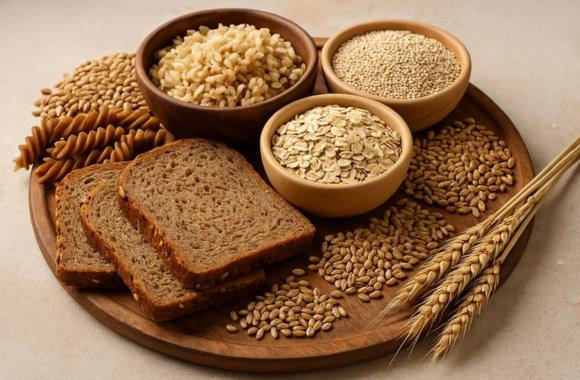
Whole grains contain more of the grain’s natural structure than refined grains.
Good options include oats, brown rice, whole grain bread, whole wheat pasta, barley, bulgur and quinoa.
Try starting your morning with oats and fruit.
You can also replace white rice with brown rice occasionally or choose whole grain bread instead of refined bread.
Small changes can gradually increase the amount of fibre in your diet.
Fruits

Fruit is an easy way to add fibre to your diet while also providing vitamins, minerals and other plant compounds.
Good fibre-rich choices include raspberries, blackberries, pears, apples, oranges and other whole fruits.
Whenever practical, eat whole fruit rather than relying mainly on fruit juice.
For example, an apple provides fibre from the fruit itself, while apple juice contains considerably less fibre.
Try adding berries to yoghurt or oats, keeping fruit available for snacks, or adding sliced pear or apple to a salad.
Vegetables
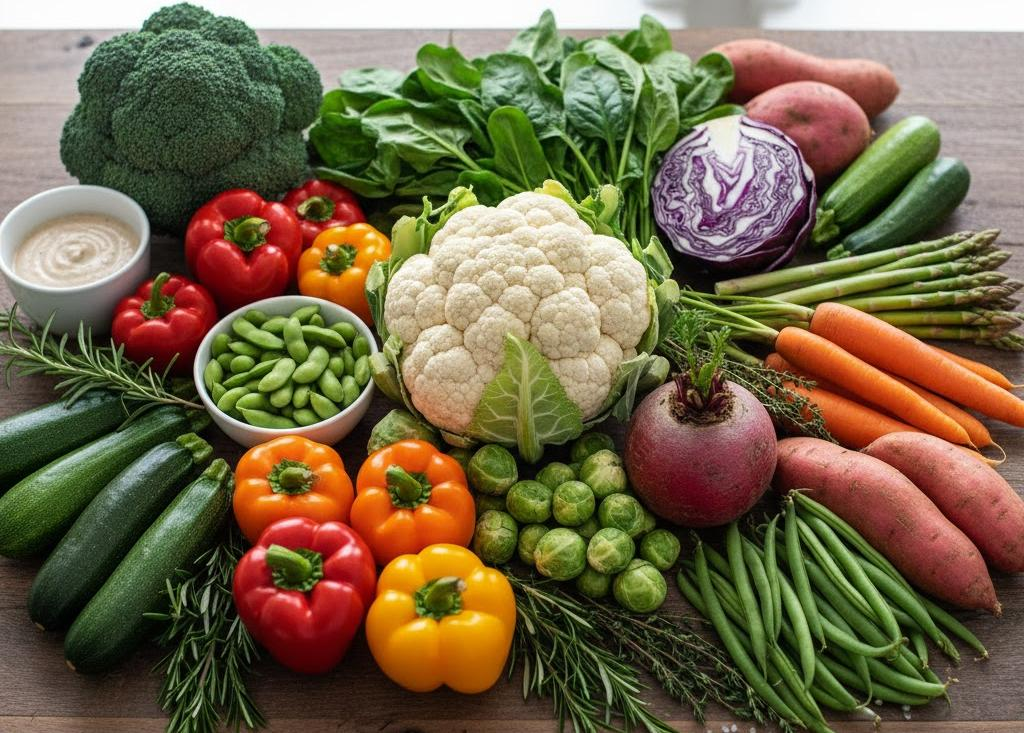
Vegetables are another important source of dietary fibre.
Broccoli, carrots, Brussels sprouts, green peas, sweet potatoes, spinach and other vegetables can all contribute to your daily intake.
Try adding an extra serving of vegetables to lunch or dinner.
You can also add vegetables to omelettes, soups, stews, pasta dishes and rice-based meals.
The more variety of plant foods you include, the more opportunities you have to consume different types of fibre.
Nuts and Seeds
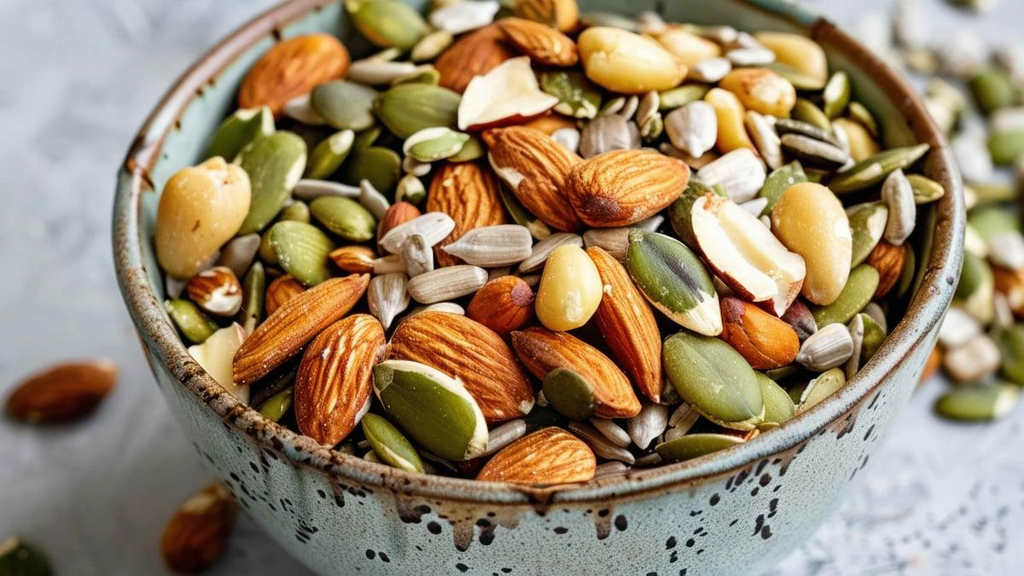
Nuts and seeds provide fibre along with healthy fats, protein and other nutrients.
Almonds, walnuts, chia seeds, flaxseeds and pumpkin seeds are practical options.
Sprinkle seeds over yoghurt or oats, add nuts to salads, or keep a small portion available as a snack.
Because nuts and seeds are energy-dense, portion sizes can still matter depending on your individual dietary needs.
How Much Fibre Do You Need?
Fibre requirements vary by age and sex.
For adults, a commonly used target is around 25 to 30 grams of fibre per day, although individual recommendations can differ.
The exact amount is less important than understanding that many people do not consistently eat enough fibre.
One useful approach is to focus less on counting every gram and more on building meals around whole plant foods.
For example, a day might include oats and berries at breakfast, beans and vegetables at lunch, fruit as a snack, and whole grains and vegetables with dinner.
That kind of eating pattern naturally brings more fibre into your diet.
How to Increase Fibre Without Upsetting Your Digestion
If your current diet is relatively low in fibre, increasing it very quickly can leave you feeling uncomfortable.
You may experience bloating, gas, abdominal discomfort or changes in bowel movements.
The solution is usually not to avoid fibre.
Instead, increase it gradually.

Increase fibre gradually
Instead of suddenly adding large quantities of beans, lentils and whole grains to every meal, introduce them progressively.
Give your digestive system time to adjust.
Drink enough fluids
Fibre works alongside water in the digestive system.
As you increase your fibre intake, make sure you are drinking enough fluids throughout the day.
Change one meal at a time
You could begin by adding oats and fruit to breakfast.
Once that feels comfortable, add more vegetables to lunch and dinner.
Then introduce beans or lentils more regularly.
Choose a variety of fibre sources
Do not rely on one food.
Mix fruits, vegetables, legumes, whole grains, nuts and seeds throughout your week.
This gives you different types of fibre and a wider range of nutrients.
Listen to your body
If a particular food consistently causes significant digestive discomfort, do not simply push through it.
Consider reducing the amount, changing how the food is prepared, or discussing the symptoms with a qualified healthcare professional if they persist.
Fibre and Gut Health

Your gut is home to trillions of microorganisms, collectively known as the gut microbiome.
Some of the bacteria in your large intestine can use certain types of dietary fibre as a source of fuel.
This is one reason fibre is often discussed in conversations about gut health.
Different fibres can interact with the gut in different ways, which is another reason variety matters.
Instead of focusing on a single “best” food for your gut, aim to eat a wide range of plant foods over time.
Beans, lentils, whole grains, vegetables, fruits, nuts and seeds can all contribute to this variety.
Your gut health is influenced by more than fibre alone. Overall diet, physical activity, sleep, stress, medications and other aspects of your lifestyle can also play a role.
What Happens If You Suddenly Eat Much More Fibre?
If you go from eating very little fibre to suddenly eating a large amount, your digestive system may react.
Common short-term effects can include:
Bloating
Gas
Abdominal discomfort
Changes in bowel movements
These effects do not necessarily mean fibre is bad for you.
They may simply mean that your intake increased faster than your digestive system could comfortably adapt.
A gradual increase is usually easier to tolerate.
For example, if you rarely eat legumes, start with a small serving a few times a week rather than adding large portions to every meal.
The same applies to whole grains, seeds and other fibre-rich foods.
If digestive symptoms are persistent, severe or unusual for you, it is worth speaking with a healthcare professional rather than assuming that fibre is the cause.
Easy Ways to Eat More Fibre Every Day
You do not need to overhaul your entire diet to eat more fibre.
Try a few simple changes.

Choose oats or another whole grain for breakfast.
Add fruit to yoghurt, porridge or smoothies.
Keep fruit available for an easy snack.
Add beans or lentils to soups, stews and rice dishes.
Choose whole grain bread more often.
Add an extra serving of vegetables to your main meals.
Sprinkle chia or flaxseeds over yoghurt or oats.
Add nuts and seeds to salads.
Choose whole fruit instead of juice more often.
Experiment with different plant foods rather than eating the same few foods every day.
The goal is consistency rather than perfection.
A Simple High-Fibre Day
Here is one example of how fibre-rich foods can fit naturally into a normal day.
Breakfast

Oats topped with berries, chia seeds and yoghurt.
Lunch

A grain bowl with chickpeas, vegetables and a whole grain such as quinoa or brown rice.
Snack
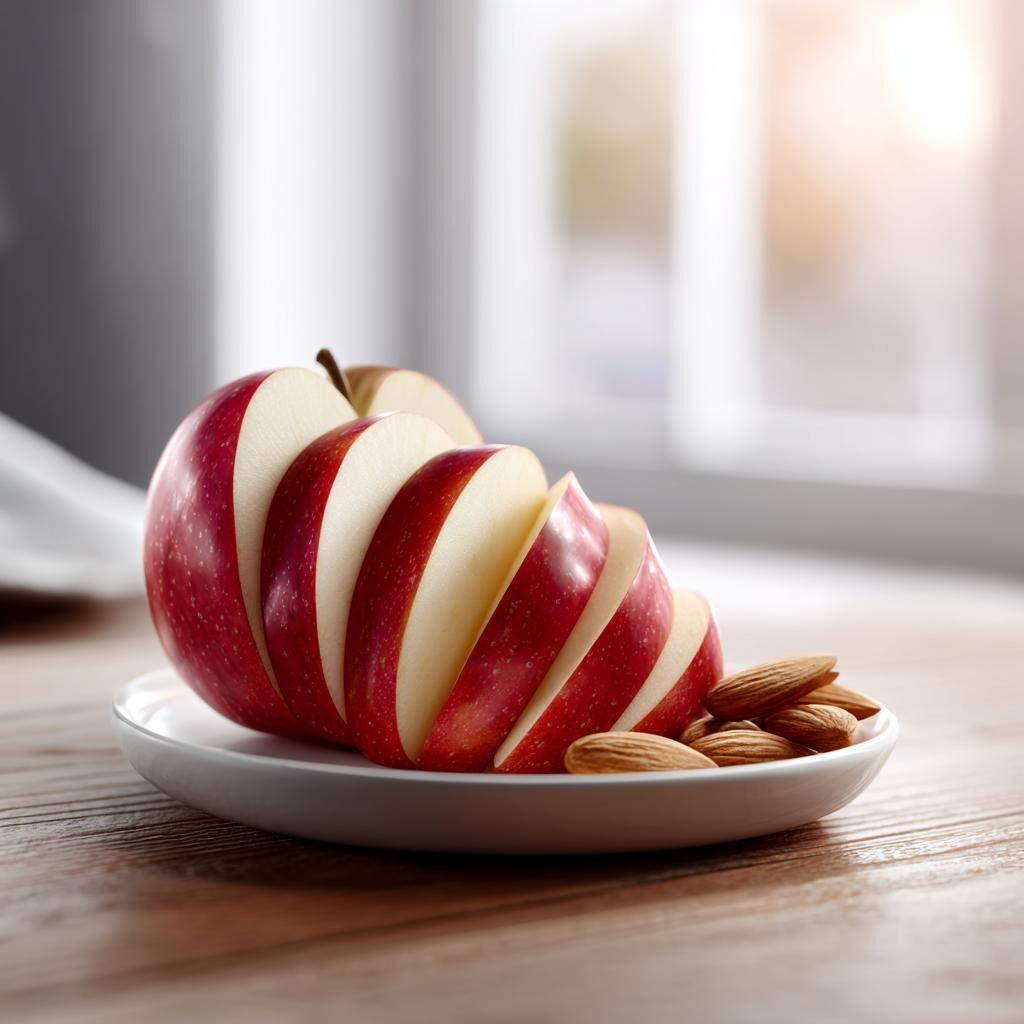
An apple or pear with a small portion of nuts.
Dinner

Lentils or beans with vegetables and a whole grain.
The specific foods and portions you need depend on your overall diet and individual nutritional needs.
The Bottom Line
High-fibre foods do not have to be complicated.
Beans, lentils, whole grains, fruits, vegetables, nuts and seeds are all practical ways to increase your dietary fibre intake.
For most people, the best approach is to increase fibre gradually, drink enough fluids and include a variety of plant foods throughout the week.
And remember that fibre is not just about digestion.
It is part of a broader healthy eating pattern that can support gut health, fullness, heart health and overall wellbeing.
You do not have to change everything at once.
Add some berries to your breakfast.
Choose a whole grain at lunch.
Add beans to dinner.
Have a piece of fruit instead of reaching for juice.
Small changes can gradually become everyday habits.
Frequently Asked Questions
What are the best high-fibre foods?
Some of the best high-fibre foods include beans, lentils, chickpeas, oats, whole grains, berries, apples, pears, vegetables, nuts and seeds.
How much fibre should I eat per day?
A commonly used target for adults is around 25 to 30 grams of fibre per day, although individual requirements vary.
What foods are high in fibre and protein?
Beans, lentils, chickpeas, peas, soy foods, nuts and seeds can provide both fibre and protein. Some whole grains also contribute both nutrients.
Is fruit high in fibre?
Yes. Whole fruits such as berries, apples, pears and oranges can contribute useful amounts of fibre. Eating whole fruit generally provides more fibre than drinking fruit juice.
How can I eat more fibre?
Add more beans, lentils, vegetables, fruits, whole grains, nuts and seeds to your meals. Increase your intake gradually and drink enough fluids.
Can too much fibre cause bloating?
Yes. Increasing fibre suddenly can cause bloating, gas and other digestive discomfort. Gradually increasing your intake can give your digestive system time to adjust.
Is fibre good for gut health?
Fibre can support gut health because certain types of fibre can be used by microorganisms in the large intestine. Eating a variety of plant foods is a practical way to provide different types of fibre.
Is white rice low in fibre?
White rice generally contains less fibre than brown rice because processing removes parts of the grain. Choosing whole grains more often can help increase dietary fibre.
Should I take a fibre supplement?
Not everyone needs a fibre supplement. For many people, increasing fibre through a varied diet is a practical first step. If you have persistent digestive symptoms or difficulty meeting your nutritional needs, speak with a qualified healthcare professional or dietitian.
Start With One Change
You do not need to count every gram of fibre to improve your diet.
Start with one simple change this week.
Add fruit to breakfast.
Choose whole grain bread.
Add beans to your favourite meal.
Put an extra serving of vegetables on your plate.
Sprinkle some seeds over your yoghurt or oats.
Then build from there.
A healthier diet is not created by one perfect meal. It is built through the choices you make consistently.