When you are trying to become fitter, stronger or more active, it can be tempting to think that more exercise is always better.
But exercise is only one part of the process.
Your body also needs time to recover from the demands you place on it.
Every workout creates a stimulus. Your muscles, cardiovascular system and other body systems respond to that activity, and recovery gives your body time to adapt.
That is why rest should not be viewed as the opposite of exercise.
It is part of a balanced exercise routine.
What happens during recovery?

Exercise places physical demands on your body.
During a strength workout, for example, your muscles work against resistance. During cardio, your heart, lungs and muscles work harder to meet the increased demand.
Once the workout ends, your body begins returning towards its normal resting state.
Recovery involves several processes, including replenishing energy stores, repairing and adapting tissues, and allowing your body to respond to the training stimulus.
This does not mean you need to feel sore for a workout to have been effective.
Muscle soreness is not a requirement for progress.
A good training routine is one that provides an appropriate challenge while giving you enough time and resources to recover.
The amount of recovery you need can vary depending on the type and intensity of exercise, your training experience, sleep, nutrition, stress levels and other individual factors.
Signs you may need more recovery

There is a difference between feeling tired after a workout and consistently feeling unable to recover between workouts.
One hard session may leave you tired for a while. But if you repeatedly feel run down, it may be worth looking at your overall training and recovery routine.
Possible signs that you may need to reduce your training load or take more recovery time can include:
- Persistent muscle soreness
- Unusual or ongoing fatigue
- A noticeable drop in exercise performance
- Feeling unusually irritable or unmotivated
- Difficulty sleeping
- Repeated minor illnesses
- Feeling that normal workouts are becoming unusually difficult
- Persistent aches or pain
These signs do not automatically mean that you are overtraining. They can have many possible causes, including inadequate sleep, stress, illness, nutrition issues or simply doing more exercise than your body is currently prepared to handle.
Persistent or concerning symptoms should be discussed with an appropriate healthcare professional.
The goal is not to avoid challenging yourself.
It is to find a level of training that you can recover from.
Sleep and exercise recovery

Sleep is one of the most important parts of recovery.
While you sleep, your body carries out processes involved in physical repair and normal physiological function. Good sleep also supports energy, mood and daytime performance.
The CDC notes that sleep helps the body repair itself and that most adults need at least seven hours of sleep each night. (cdc.gov)
If you are exercising regularly but consistently sleeping too little, your recovery routine is missing an important piece.
Simple habits can help:
Keep a regular sleep schedule
Try to go to bed and wake up around the same time each day.
Create a wind-down routine
Give yourself some time to transition from a busy day into sleep.
Make your bedroom comfortable
A quiet, dark and comfortable environment can make it easier to sleep.
Pay attention to late workouts
Exercise is generally beneficial for sleep, but if intense exercise close to bedtime seems to interfere with your sleep, consider moving it earlier. (cdc.gov)
Sleep is not something you need to earn by exercising.
It is part of taking care of your body.
Rest days vs active recovery
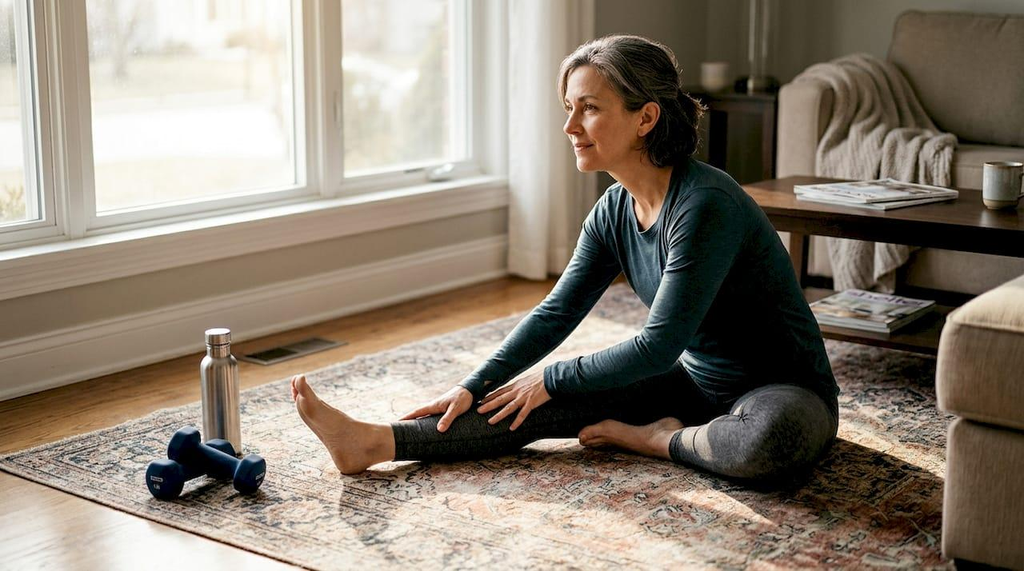
A rest day does not necessarily mean spending the entire day on the sofa.
There is a difference between complete rest and active recovery.
Rest day
A rest day is a break from structured or demanding exercise.
You might still move normally throughout the day, walk around, do household tasks or take a gentle stroll.
Active recovery
Active recovery involves low-intensity movement that is easier than your normal workout.
Examples include:
- Easy walking
- Gentle cycling
- Light mobility exercises
- Gentle stretching
- Easy swimming
- Relaxed recreational movement
Active recovery can be useful when you want to keep moving without adding another demanding training session.
But it should actually feel easier.
If your “recovery day” becomes another intense workout, you are not giving your body much of a break.
Nutrition and recovery

Food provides the energy and nutrients your body needs to support normal functions and physical activity.
Your overall eating pattern matters more than one particular meal immediately after exercise.
A balanced diet can include:
- Protein sources
- Whole grains and other carbohydrate sources
- Vegetables and fruit
- Healthy sources of fat
- Dairy or suitable alternatives
- Beans and other legumes
- Adequate fluids
Protein is particularly relevant to muscle maintenance and repair, while carbohydrates help provide energy for physical activity and replenish energy stores.
You do not necessarily need a special recovery drink or supplement after every workout.
For many people, ordinary balanced meals and snacks can provide what they need.
Hydration matters too, particularly if you have been exercising in hot or humid conditions or sweating heavily.
Your fluid needs vary depending on factors such as the duration and intensity of exercise, environmental conditions and individual differences.
Stretching, mobility and recovery

Stretching and mobility work can be useful additions to an exercise routine, but they are not a replacement for adequate rest, sleep and nutrition.
Gentle movement can help you maintain mobility and give you an opportunity to move without the intensity of a full workout.
Some simple options include:
- Gentle hip movements
- Shoulder circles
- Ankle mobility
- Cat-cow movements
- Gentle spinal rotations
- Calf stretches
- Hamstring stretches
There is no need to force a stretch.
Move within a comfortable range and avoid bouncing or pushing through pain.
If you have an injury or persistent pain, seek appropriate professional guidance rather than trying to stretch through it.
Can you exercise too much?
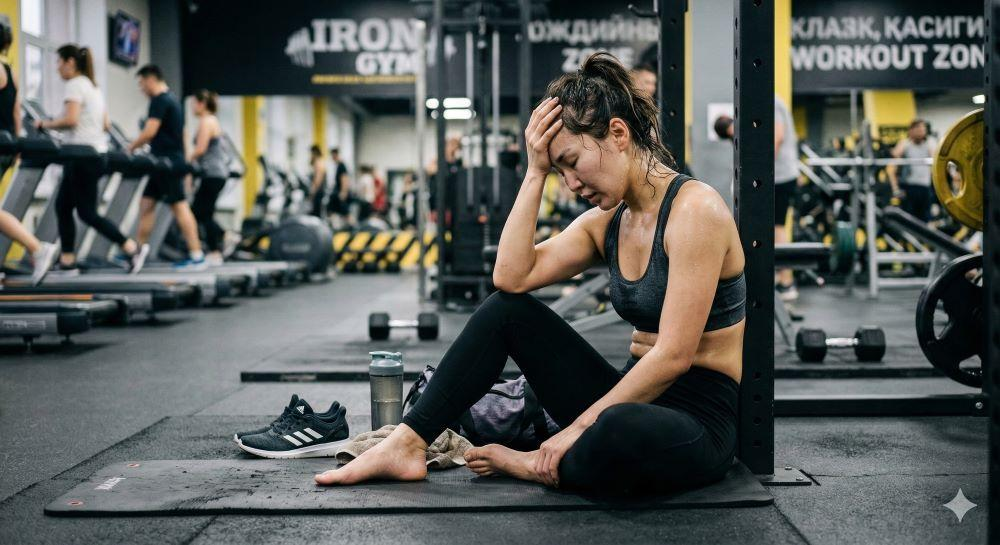
Yes.
Exercise is beneficial, but more is not automatically better.
The amount of activity that is appropriate depends on the person, the type of exercise, the intensity, training history and ability to recover.
The problem is not simply exercising frequently.
Someone might be physically active every day and recover well because the intensity varies. For example, they might combine walking with strength training and gentle mobility.
Another person may struggle to recover from frequent high-intensity sessions.
This is why your entire training pattern matters.
If you notice persistent fatigue, declining performance, ongoing pain or other concerning changes, consider reducing your training load and getting professional advice where appropriate.
There is also no need to chase exhaustion as proof that a workout worked.
A productive workout does not have to leave you completely depleted.
Building recovery into your routine

Recovery works best when you plan for it rather than waiting until you are exhausted.
Instead of asking, “How much exercise can I fit into this week?” also ask, “How much recovery can I give myself?”
A simple weekly routine might look like this:
Monday
Strength training
Tuesday
Walking or moderate cardio
Wednesday
Rest or gentle mobility
Thursday
Strength training
Friday
Light activity or rest
Saturday
Cardio, recreational activity or sport
Sunday
Rest or gentle movement
This is only an example.
You could train on different days or structure your week differently depending on your schedule and goals.
The important point is to avoid making every day a hard training day.
WHO recommends adults get 150 to 300 minutes of moderate-intensity aerobic activity per week, or the equivalent amount of vigorous activity, alongside muscle-strengthening activity on at least two days each week. Those recommendations describe overall activity levels, not a requirement to train intensely every day. (who.int)
Make recovery part of your routine
Think about these five areas:
Training: Challenge your body appropriately.
Sleep: Give yourself enough time to rest.
Nutrition: Eat enough nutritious food to support your activity.
Movement: Keep gently active on easier days if it feels good.
Stress: Remember that mental and emotional stress also affect how you feel and recover.
A demanding week at work, poor sleep or a stressful period may mean you need to adjust your exercise routine.
That is not failure.
It is simply responding to what your body needs.
What should you do after a hard workout?

You do not need an elaborate recovery protocol.
After a demanding workout, consider:
- Cool down gradually rather than stopping abruptly after very intense exercise.
- Drink fluids according to your needs.
- Eat a balanced meal or snack when appropriate.
- Give the muscles you trained time to recover before another demanding session.
- Prioritise sleep.
- Pay attention to how you feel over the next day or two.
You do not need to buy a collection of recovery products to take care of yourself.
The basics matter.
The bottom line
Exercise challenges your body.
Recovery gives your body time to respond.
Both matter.
A sustainable fitness routine includes demanding sessions, easier days, adequate sleep, nutritious food and enough flexibility to adjust when life or your body requires it.
You do not need to feel guilty about taking a rest day.
Rest is not wasted time.
It is part of a balanced approach to movement and fitness.
FAQs
Why is rest important after exercise?
Rest gives your body time to recover from the physical demands of exercise and adapt to training. It is an important part of maintaining a sustainable exercise routine.
How many rest days should I take each week?
There is no universal number that applies to everyone. Your recovery needs depend on your training frequency, intensity, fitness level, sleep, nutrition and other factors. Rather than following a fixed number, pay attention to how your body responds to your training.
Does muscle soreness mean I need more rest?
Not necessarily. Some soreness can occur after unfamiliar or demanding exercise, but soreness alone is not a reliable measure of whether you have recovered. Persistent or severe pain should be assessed appropriately.
Is active recovery better than complete rest?
Neither is automatically better. Active recovery can be appropriate when you want gentle movement, while a complete rest day may be more suitable when you are particularly tired or your body needs a break.
Does sleep help muscle recovery?
Sleep supports normal physical repair and recovery processes. The CDC states that sleep helps the body repair itself and that most adults need at least seven hours of sleep each night. (cdc.gov)
What should I eat after exercise?
A balanced meal or snack containing protein, carbohydrates and other nutritious foods can support your overall nutritional needs. What you need depends on your activity, goals and overall diet.
Can I exercise when I am sore?
It depends on how you feel and what caused the soreness. Gentle movement may be comfortable for some people, while intense training of already sore muscles may not be appropriate. If you have significant or persistent pain, seek professional advice.
Can you exercise every day?
You can be physically active every day, but that does not mean every day needs to involve intense exercise. A balanced routine can combine harder training with walking, gentle movement and rest.
What are signs that I am exercising too much?
Persistent fatigue, declining performance, ongoing soreness or pain, sleep problems and feeling unusually run down can be signs that your training and recovery balance needs attention. These symptoms can have other causes too, so persistent concerns should be discussed with a healthcare professional.
Give Your Body Time
There is a lot of attention on what you should do during a workout.
Lift this.
Run that.
Do more repetitions.
Train harder.
But what you do between workouts matters too.
Sleep well. Eat well. Take easier days. Move gently when appropriate. Give your body time to adapt.
You do not have to earn your rest.
It is already part of the plan.