Protein is one of the most important nutrients your body needs every day. It helps maintain muscle, supports tissues, contributes to normal immune function, and plays a role in many processes that keep your body working properly.
But how much protein do you actually need?
You may have heard that everyone should eat a high protein diet, especially if you exercise or want to build muscle. The reality is more individual than that.
Your protein requirements depend on several factors, including your age, body size, activity level and overall health.
For many healthy adults, getting enough protein does not require complicated calculations or a shelf full of protein supplements. It can often be achieved by including a variety of protein-rich foods throughout the day.
Here is what you need to know about daily protein intake and how to make protein a practical part of a balanced diet.
Why does your body need protein?
Protein is made up of amino acids, which your body uses to build and maintain tissues.
Your muscles contain a large amount of protein, but protein is not only about muscle. Your body also uses amino acids to make enzymes, hormones and other substances involved in normal body functions.
Protein also contributes to maintaining and repairing tissues.
This is particularly important because your body is constantly breaking down and rebuilding proteins. Getting enough protein through your diet helps provide the amino acids needed for these processes.
Protein can also help you feel satisfied after eating, which can make it easier to build balanced meals and maintain regular eating habits.
So while protein is often associated with fitness and muscle building, it is an important nutrient for everyone.
How much protein do adults need?
For healthy adults, a commonly used reference value is around 0.8 grams of protein per kilogram of body weight per day.
For example, a person weighing 70 kg would need approximately 56 grams of protein per day based on this reference level.
That does not mean 56 grams is the perfect amount for every 70 kg person.
Protein requirements can vary depending on age, physical activity, body composition, pregnancy, breastfeeding and certain health conditions.
People who exercise regularly, particularly those doing resistance training, may require more protein than the basic reference intake.
It is also important to understand the difference between protein intake and the amount of protein in a food.
For example, 100 grams of cooked chicken does not contain 100 grams of protein. The food itself weighs 100 grams, while only part of that weight comes from protein.
This is why looking at the nutrition information of individual foods can be useful when you are trying to understand your daily protein intake.
What can change your protein needs?
There is no single protein requirement that applies equally to everyone.
Age
Protein becomes particularly important as we get older because maintaining muscle mass and physical function becomes increasingly important for healthy ageing.
Older adults may benefit from a higher protein intake than the basic adult reference level, particularly when combined with appropriate physical activity.
Getting enough protein is one part of a broader approach to healthy ageing that also includes regular movement, strength training, adequate sleep and overall nutritional quality.
Body size
Larger bodies generally require more protein than smaller bodies because protein needs are partly related to body size.
However, simply multiplying your body weight by a number does not always provide an appropriate target for everyone.
Body composition and individual circumstances can also matter.
Physical activity
People who exercise regularly may need more protein than someone who is mostly sedentary.
This is especially relevant for people participating in resistance training, strength training, endurance sports or other activities that place greater demands on the muscles.
Protein provides the amino acids needed for muscle repair and adaptation following exercise.
However, eating more protein alone does not build muscle. Muscle development also depends on appropriate training, sufficient energy, recovery and overall nutrition.
Pregnancy and breastfeeding
Protein requirements increase during pregnancy because the body is supporting the growth and development of the baby as well as changes in the mother’s own tissues.
Protein needs also remain important during breastfeeding.
Pregnant and breastfeeding women should focus on a balanced diet that provides sufficient protein alongside carbohydrates, healthy fats, vitamins, minerals and adequate fluids.
Individual dietary requirements can vary, so personalised advice from a qualified healthcare professional or registered dietitian can be particularly useful during these stages of life.
Certain health conditions
Some health conditions can affect protein requirements.
For example, people with certain kidney or liver conditions may need specific dietary guidance. Increasing protein intake without considering an existing health condition is not always appropriate.
If you have a medical condition or have been advised to follow a particular diet, speak with your doctor or a qualified dietitian before making significant changes to your protein intake.
Animal vs plant protein
Protein can come from both animal and plant foods.
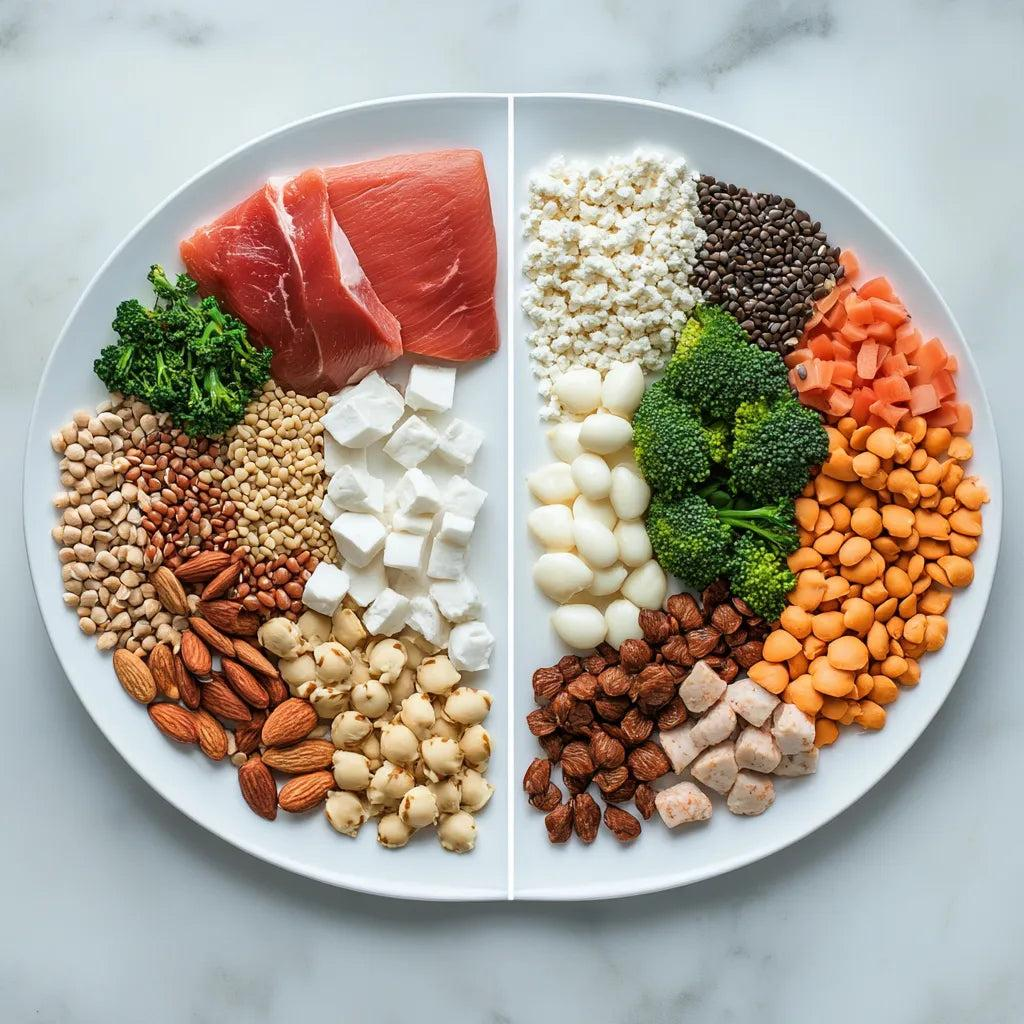
Animal sources include:
Eggs, Fish
Chicken
Turkey
Lean meat
Milk
Greek yoghurt
Cottage cheese
Plant sources include:
Beans
Lentils
Chickpeas
Soybeans
Tofu
Tempeh
Peas
Nuts
Seeds
Whole grains
Both can contribute to a healthy diet.
Many animal proteins contain all nine essential amino acids in proportions that the body can use effectively. Some individual plant proteins have lower amounts of one or more essential amino acids.
However, this does not mean you need to eat animal products to get enough protein.
A varied plant-based diet can provide the amino acids your body needs. Eating different plant protein sources throughout the day can help you obtain a broad range of amino acids.
The bigger picture is your overall diet.
Rather than focusing on whether one protein source is superior, consider variety, nutritional quality and what works realistically for your lifestyle.
High-protein foods to include in your diet
You do not need to rely on expensive products to increase your protein intake.
Many everyday foods provide useful amounts of protein.
Eggs
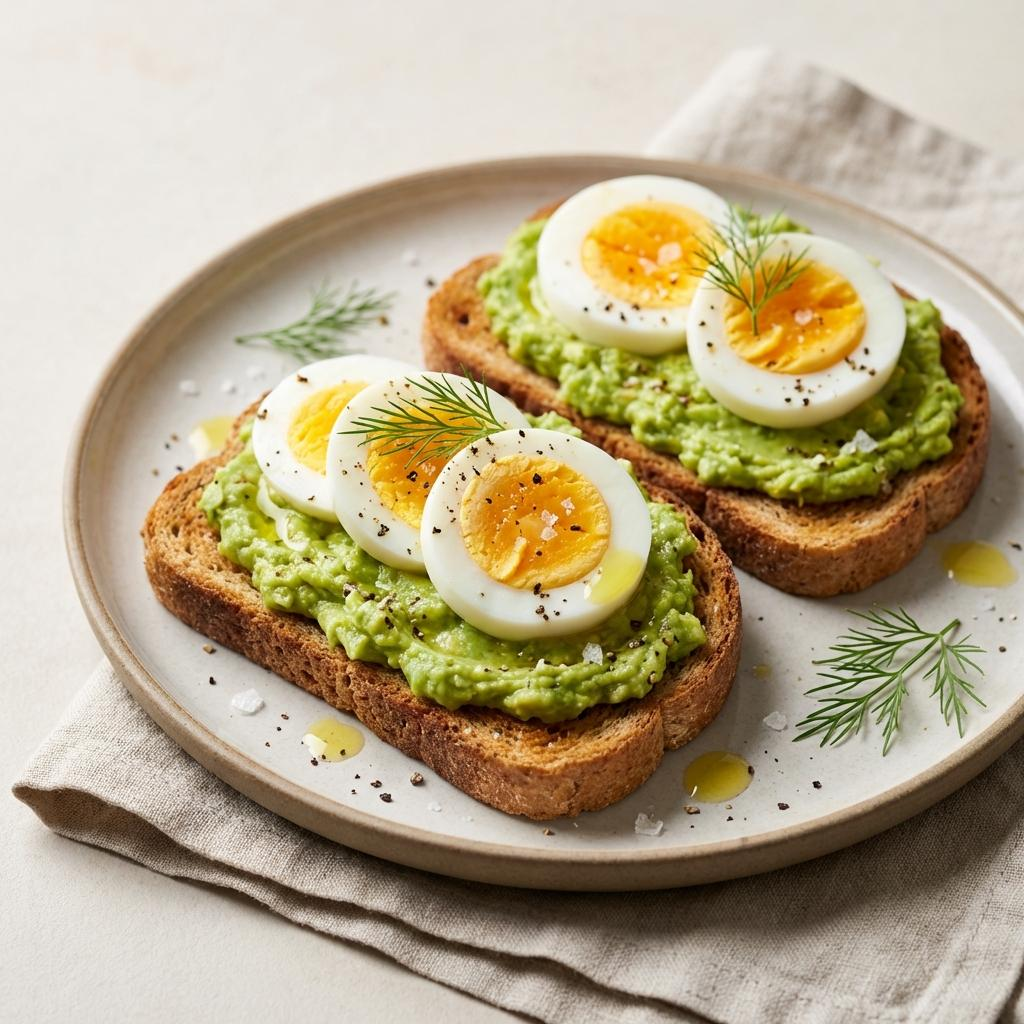
Eggs are a versatile protein source that can be used for breakfast, lunch or dinner.
Try boiled eggs with whole grain toast, scrambled eggs with vegetables, or eggs added to a balanced breakfast bowl.
Fish
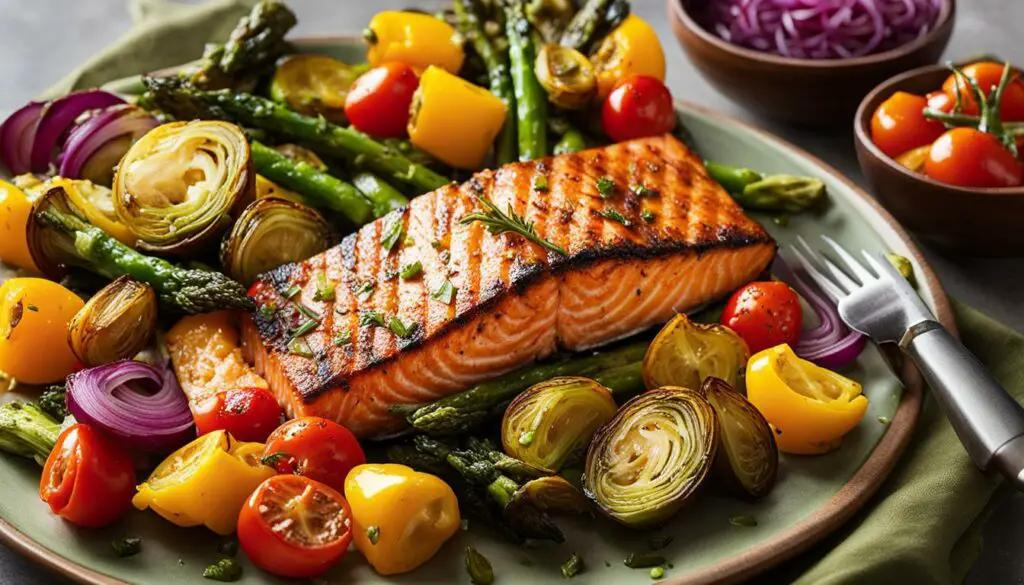
Fish provides protein and can also provide important nutrients such as omega 3 fatty acids, depending on the type.
Salmon, sardines, tuna and mackerel are examples of fish that can be included in a varied diet.
Chicken and lean meat
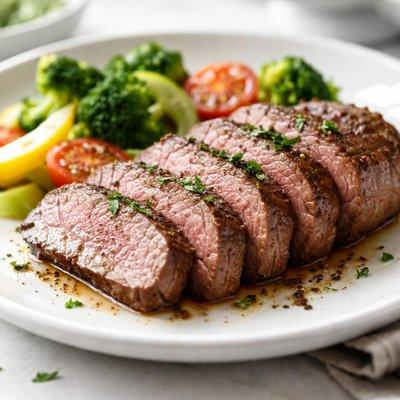
Chicken, turkey and lean cuts of meat can provide substantial amounts of protein.
Pair them with vegetables, whole grains, legumes or other nutrient-rich foods to create a balanced meal.
Greek yoghurt
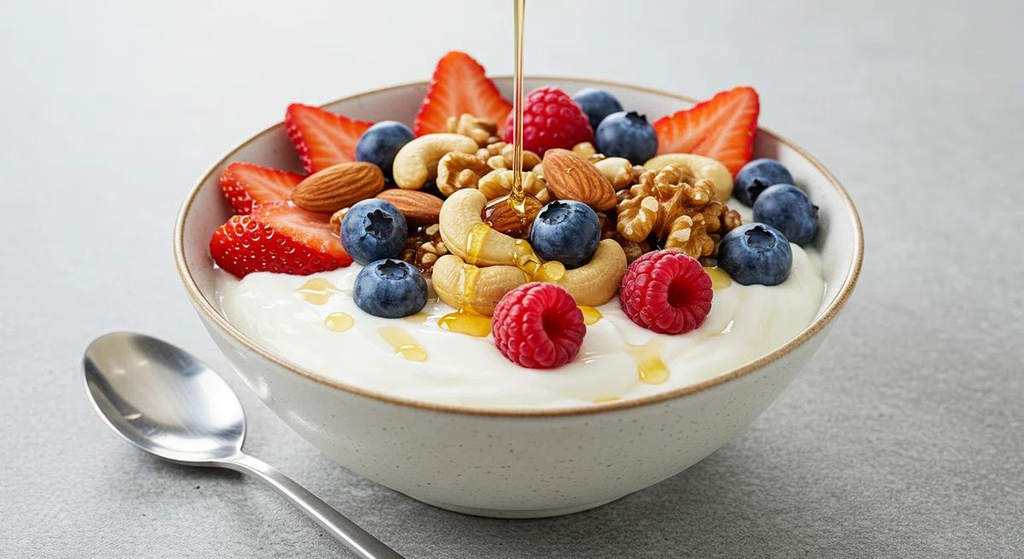
Greek yoghurt can be a convenient protein-rich option for breakfast or a snack.
You can combine it with fruit, oats, seeds or nuts for a more filling meal or snack.
Beans and lentils
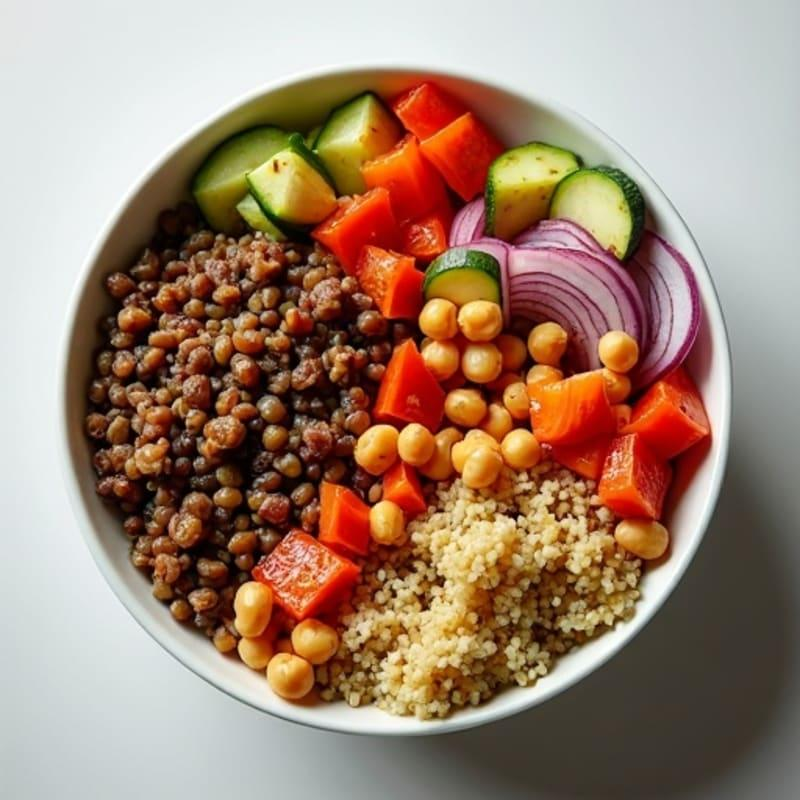
Beans and lentils are useful plant sources of protein and also provide fibre.
They can be added to soups, stews, salads, rice dishes and grain bowls.
Chickpeas
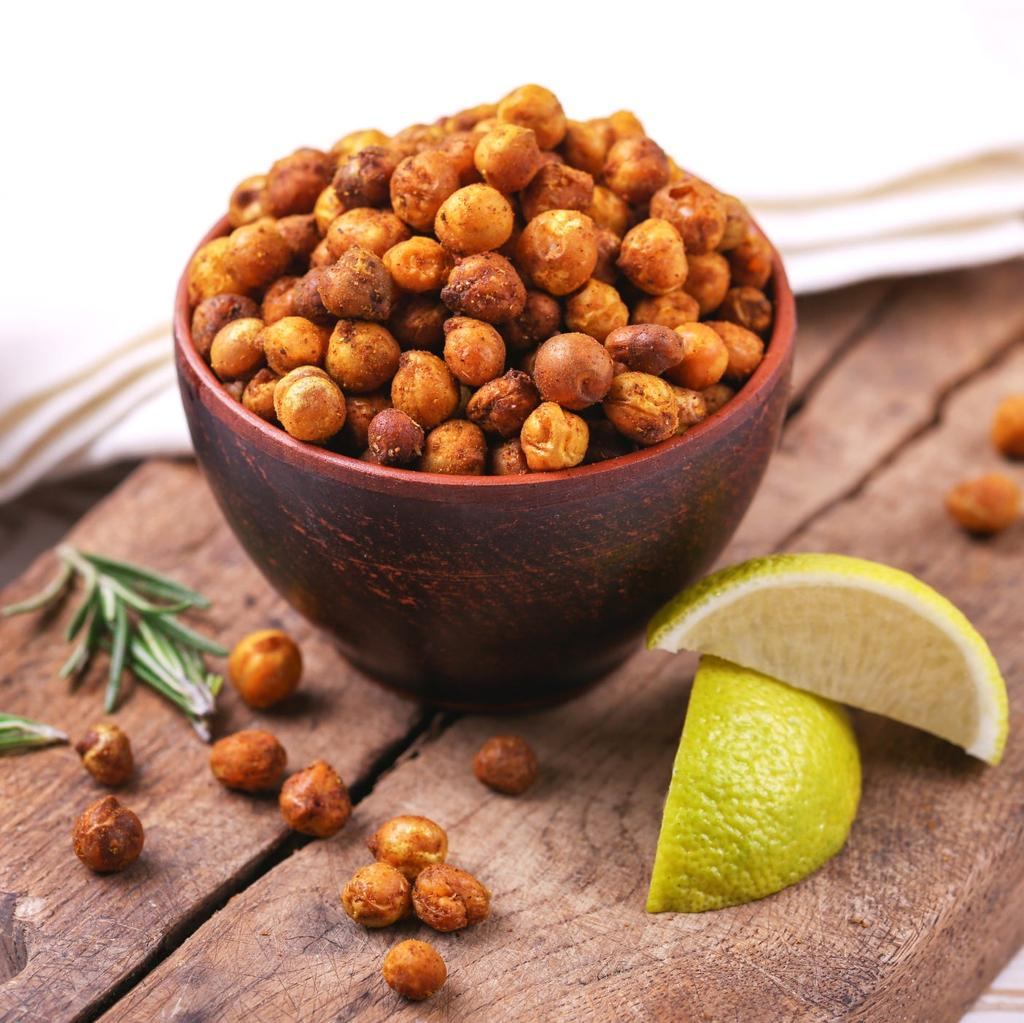
Chickpeas can be used in salads, stews, hummus and other meals.
They are particularly useful for people looking for more plant-based protein options.
Tofu and other soy foods
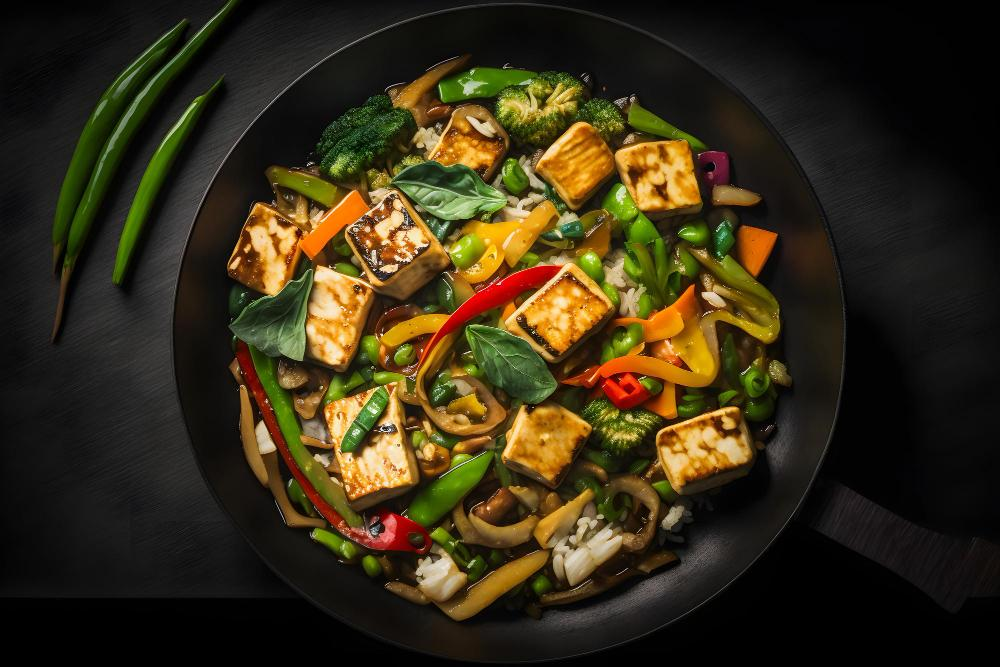
Tofu, tempeh and other soy foods can provide substantial amounts of plant protein.
They can be used in stir-fries, bowls, soups and many other dishes.
Nuts and seeds
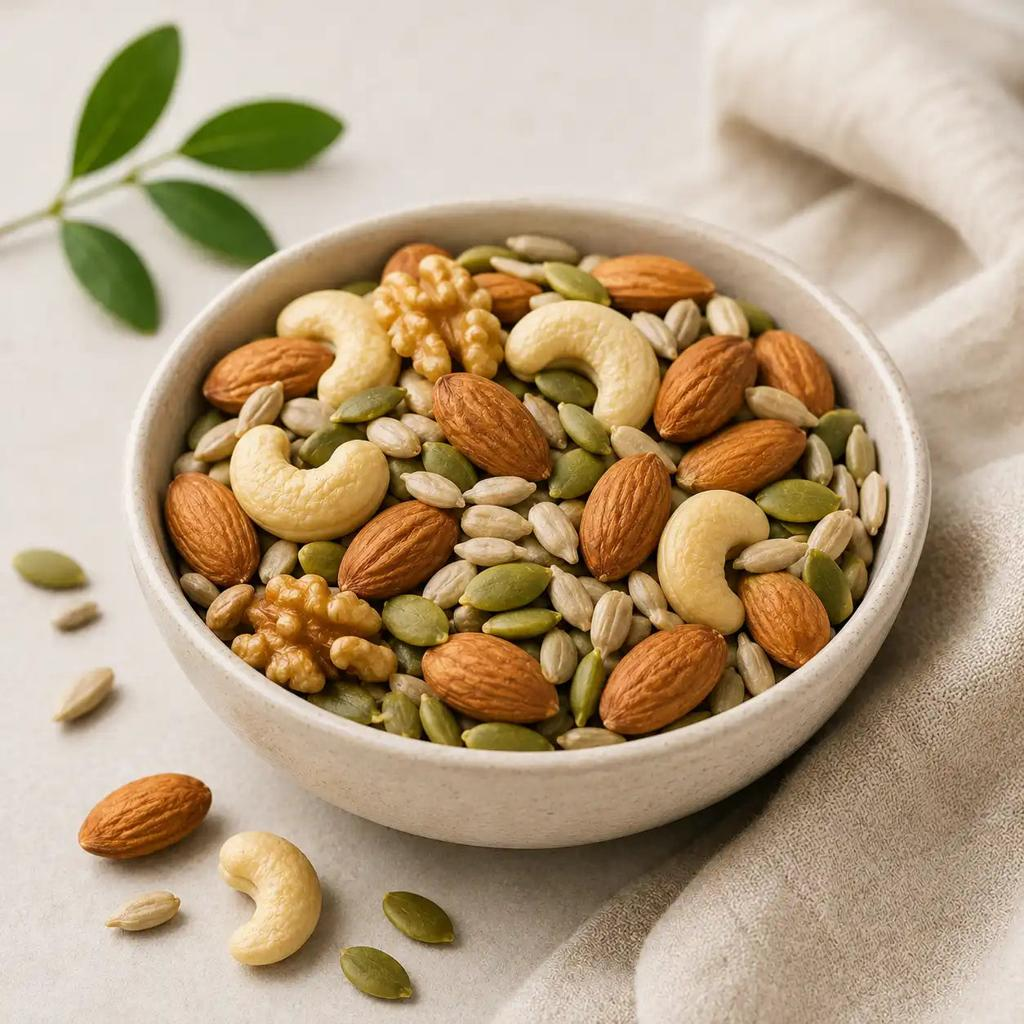
Nuts and seeds contain protein along with healthy fats and other nutrients.
Because they are energy-dense, portion size still matters depending on your overall dietary needs.
Do you need protein shakes?
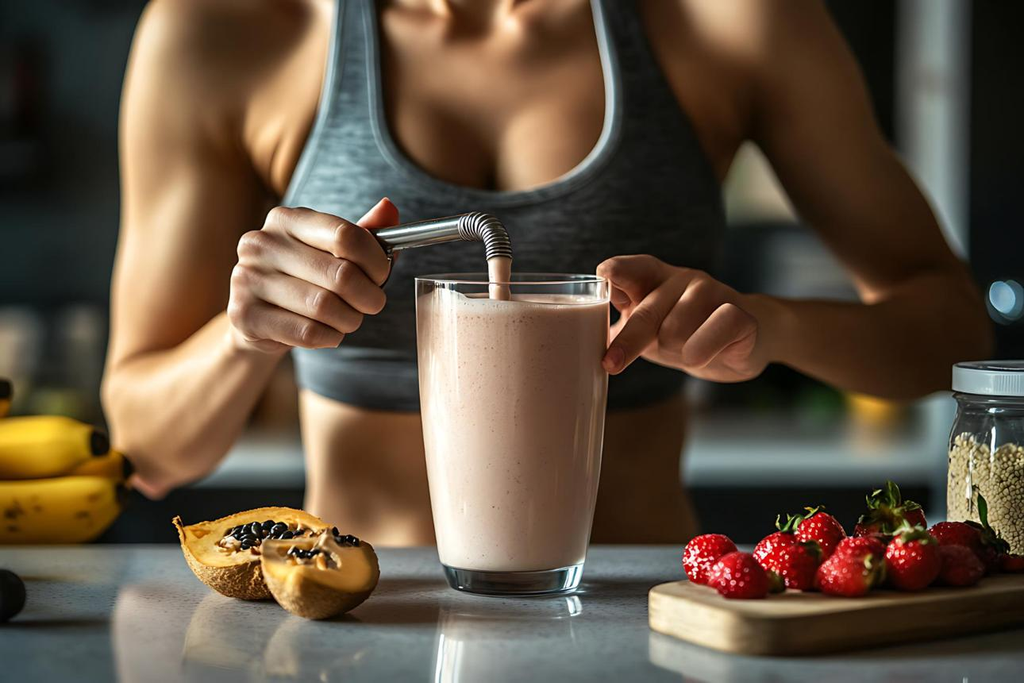
For most people, protein shakes are not essential.
A well-balanced diet can provide enough protein through ordinary foods.
Protein powders can be convenient, particularly for people who have difficulty meeting their protein needs through food alone or who have higher requirements because of training.
However, a protein shake is a supplement to your diet, not a replacement for a varied diet.
Whole foods provide more than protein. They can also provide fibre, vitamins, minerals, healthy fats and other beneficial compounds.
If you enjoy protein shakes and they fit your dietary needs, they can be a convenient option. But you do not need a protein shake simply because you exercise.
Can you eat too much protein?
More protein is not automatically better.
For healthy people, protein can be part of a balanced diet, but extremely high protein intake may displace other important foods and nutrients.
A diet focused heavily on protein can sometimes mean eating fewer fruits, vegetables, whole grains or sources of healthy fats.
People with certain medical conditions may also need to manage their protein intake more carefully.
Instead of asking whether you can eat as much protein as possible, a better question is whether your overall diet provides the right balance of protein, carbohydrates, fats, fibre, vitamins and minerals for your needs.
How to spread protein across your meals
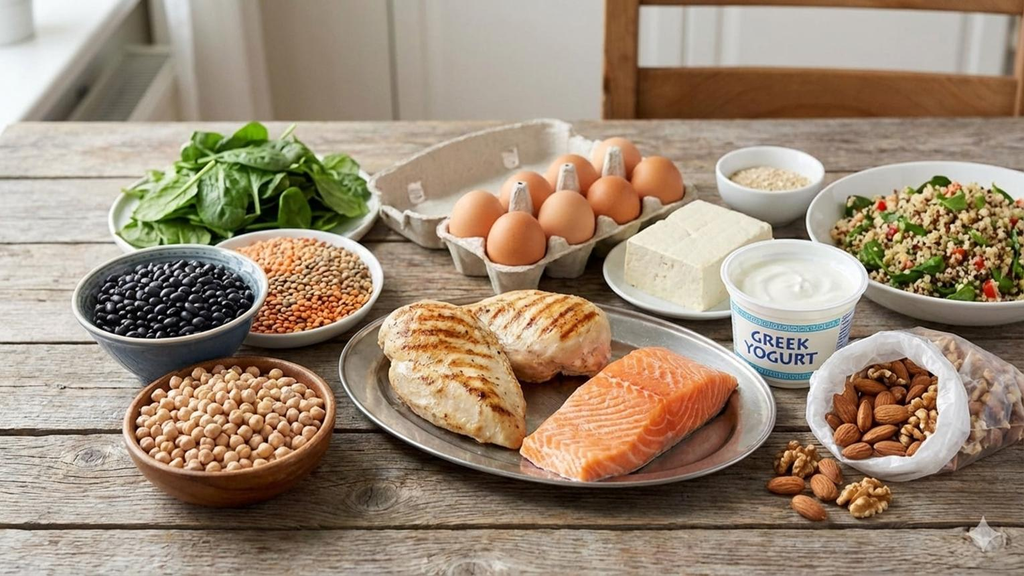
Getting enough protein is not only about your total daily intake. How you distribute protein throughout the day can also be useful, particularly for people who want to support muscle maintenance.
Instead of eating most of your protein at dinner, try including a protein source at each main meal.
For example:
Breakfast
Greek yoghurt with oats, berries and seeds
Or eggs with whole grain toast and vegetables
Lunch
Chicken and vegetable salad with beans
Or lentil and vegetable soup with whole grain bread
Dinner
Grilled fish with vegetables and potatoes
Or tofu and vegetable stir-fry with rice
Snacks
Greek yoghurt
Boiled eggs
A handful of nuts
Cottage cheese
Hummus with vegetables
The goal is not to make every meal extremely high in protein. It is simply to make protein a regular part of your meals.
Protein for muscle and healthy ageing
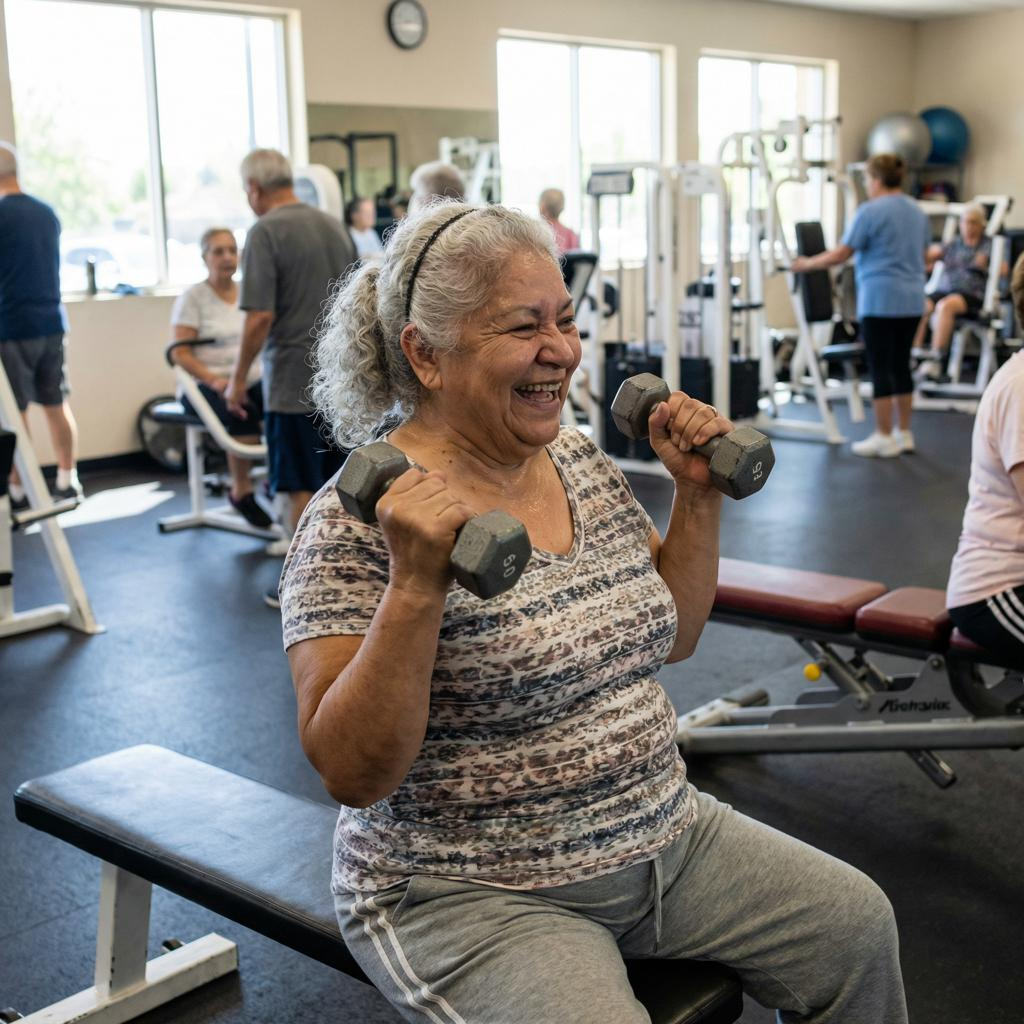
Protein plays an important role in maintaining muscle throughout life.
This becomes particularly relevant as we age because muscle mass and strength can decline over time.
Adequate protein combined with resistance exercise can support the maintenance and development of muscle.
For healthy ageing, protein should therefore be considered alongside other important habits such as strength training, regular movement, adequate sleep and a nutrient-rich diet.
You do not have to wait until later life to start paying attention to these habits.
Building a lifestyle that supports muscle health early can be part of a long-term approach to wellbeing.
What does a high-protein diet actually mean?
A high-protein diet generally means consuming a greater proportion of your daily energy from protein than is typical.
But the phrase can mean different things to different people.
One person’s high-protein diet may be another person’s normal intake.
Rather than following a generic high-protein target from social media or a fitness programme, consider your actual needs.
Ask yourself:
How active am I?
What does my current diet look like?
Am I getting protein from a variety of foods?
Am I eating enough fruits and vegetables?
Am I getting enough fibre?
Do I have any health conditions that affect my dietary needs?
These questions provide more useful context than simply trying to eat as much protein as possible.
When should you get personalised advice?
General protein recommendations can be useful for understanding the basics, but they do not replace personalised nutrition advice.
Consider speaking with a qualified healthcare professional or registered dietitian if you:
Have kidney or liver disease
Are pregnant or breastfeeding
Are recovering from illness or surgery
Are experiencing unexplained weight loss
Follow a restrictive diet
Are training intensely for a sport
Have difficulty meeting your nutritional needs
Have been advised to change your protein intake for medical reasons
Personalised advice can take your health, lifestyle, dietary preferences and nutritional requirements into account.
The bottom line
So, how much protein do you really need every day?
For many healthy adults, around 0.8 grams of protein per kilogram of body weight per day is a commonly used reference intake. However, your individual needs may be higher depending on your age, body size, activity level, pregnancy or breastfeeding status, and health circumstances.
The best approach is not simply to chase a high protein number.
Build balanced meals. Include a protein source regularly. Choose a variety of animal and plant foods if they fit your diet. Combine good nutrition with regular movement and adequate recovery.
Protein is important, but it is only one part of the bigger picture of healthy living.
Frequently Asked Questions
How much protein do I need per day?
A commonly used reference intake for healthy adults is around 0.8 grams of protein per kilogram of body weight per day. Individual requirements can be higher depending on factors such as age, activity level, pregnancy, breastfeeding and health status.
How much protein should I eat to build muscle?
People who regularly participate in resistance training may benefit from more protein than the basic adult reference intake. Muscle growth also requires appropriate resistance training, sufficient energy and recovery.
What foods are high in protein?
Foods high in protein include eggs, fish, chicken, lean meat, Greek yoghurt, cottage cheese, beans, lentils, chickpeas, tofu, tempeh, nuts and seeds.
Can I get enough protein without eating meat?
Yes. Plant foods such as beans, lentils, chickpeas, soy foods, nuts, seeds and whole grains can contribute to your protein intake. Eating a varied diet can help provide the amino acids your body needs.
Do I need protein powder?
Not necessarily. Many people can meet their protein needs through ordinary foods. Protein powder can be convenient in some situations, but it is not essential for everyone.
Is too much protein bad for you?
More protein is not automatically better. Very high protein intake may displace other important foods, and people with certain health conditions may need specific dietary guidance.
Is protein important for healthy ageing?
Yes. Adequate protein is one part of supporting muscle maintenance as we age. It works best as part of a broader lifestyle that includes appropriate strength training, regular movement, good nutrition and adequate recovery.
Should I eat protein at every meal?
Including a protein source at each main meal can be a practical way to distribute your intake throughout the day. Your total daily intake and overall diet remain important.
A simple way to start
You do not need to completely change your diet overnight.
Start by looking at your next meal.
Ask yourself whether it contains a good source of protein.
It could be eggs at breakfast, beans at lunch, fish at dinner or Greek yoghurt as a snack.
Small, consistent choices can make healthy eating much easier to maintain.