When life gets busy, healthy eating is often one of the first things to become difficult.
Work runs late. Your schedule changes. You get home tired. You realise you have nothing planned for dinner, so ordering food feels easier than cooking.
Then there are the mornings when breakfast becomes a cup of coffee, the afternoons when hunger leads to whatever snack is available, and the evenings when you are too exhausted to think about what to eat.
If this sounds familiar, the answer is not necessarily a stricter diet or a complicated meal plan.
Healthy eating on a busy schedule is often about making everyday food choices easier.
The goal is to create a simple system that works even when you are tired, busy or short on time.
You do not need every meal to be perfect. You need a way of eating that you can realistically maintain.
Why healthy eating becomes difficult when life gets busy

The problem is often not a lack of knowledge.
Most people already know that vegetables, fruits, whole grains, protein-rich foods and balanced meals are important.
The challenge is putting that knowledge into practice when your time and energy are limited.
A busy schedule can make healthy eating difficult because:
You may not have time to cook every day.
You may shop without a plan and end up with ingredients that do not become meals.
You may skip meals and become extremely hungry later.
You may rely heavily on convenience foods.
You may have limited options when eating at work or while travelling.
You may feel that healthy eating requires too much preparation.
This is why your food environment matters.
If healthy choices require an hour of cooking while less nutritious choices are immediately available, convenience will often win.
Instead of relying on motivation every day, make the healthier option easier to choose.
Start With Meals, Not Perfection
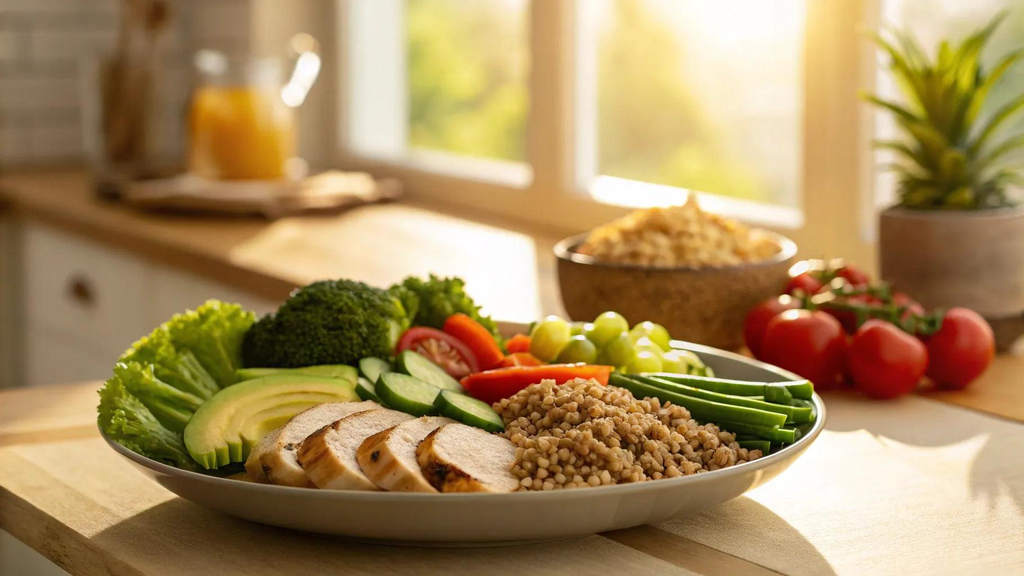
One of the easiest ways to simplify healthy eating is to stop thinking about everything you should or should not eat.
Start with the meal in front of you.
A simple balanced meal can include:
A source of protein.
Vegetables or fruit.
A source of carbohydrates, preferably a high-fibre or minimally processed option.
A source of healthy fat where appropriate.
This does not mean every plate needs to look exactly the same.
For example, one meal could be grilled chicken with vegetables and rice.
Another could be beans with plantain and vegetables.
Breakfast could be Greek yoghurt with oats, berries and seeds.
The aim is to create balanced meals without making every meal a nutrition project.
Use a simple meal formula
When you are short on time, ask yourself three questions:
What is my protein source?
What plant food can I add?
What carbohydrate or whole grain will complete the meal?
That simple structure can help you put together a meal without spending too much time thinking about it.
Build a Simple Food Shopping System
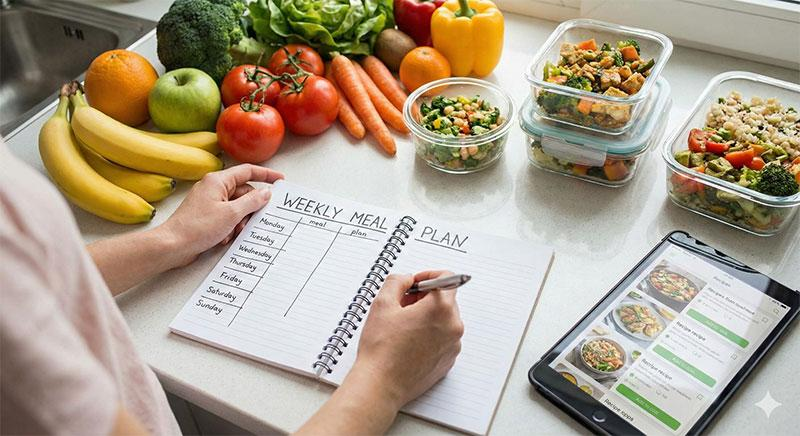
Healthy eating becomes much easier when your kitchen already contains foods you can turn into meals.
You do not need to create an elaborate weekly menu.
Instead, build your shopping list around a few categories.
Protein
Choose several options that are easy to prepare.
Eggs
Chicken
Fish
Greek yoghurt
Beans
Lentils
Chickpeas
Tofu
Vegetables
Choose a mixture of fresh and frozen vegetables.
Broccoli
Carrots
Spinach
Peppers
Tomatoes
Green beans
Mixed frozen vegetables
Fruit
Keep fruit that is easy to eat available.
Bananas
Apples
Oranges
Pears
Berries
Carbohydrates and whole grains
Choose options that fit your normal meals.
Oats
Brown rice
Whole grain bread
Potatoes
Sweet potatoes
Whole grain pasta
Quinoa
Healthy fats
Avocado
Nuts
Seeds
Nut butters
Olive oil
The exact foods you choose should reflect your preferences, culture, budget and dietary needs.
The point is to have enough basic ingredients available to create several different meals.
Foods Worth Keeping at Home
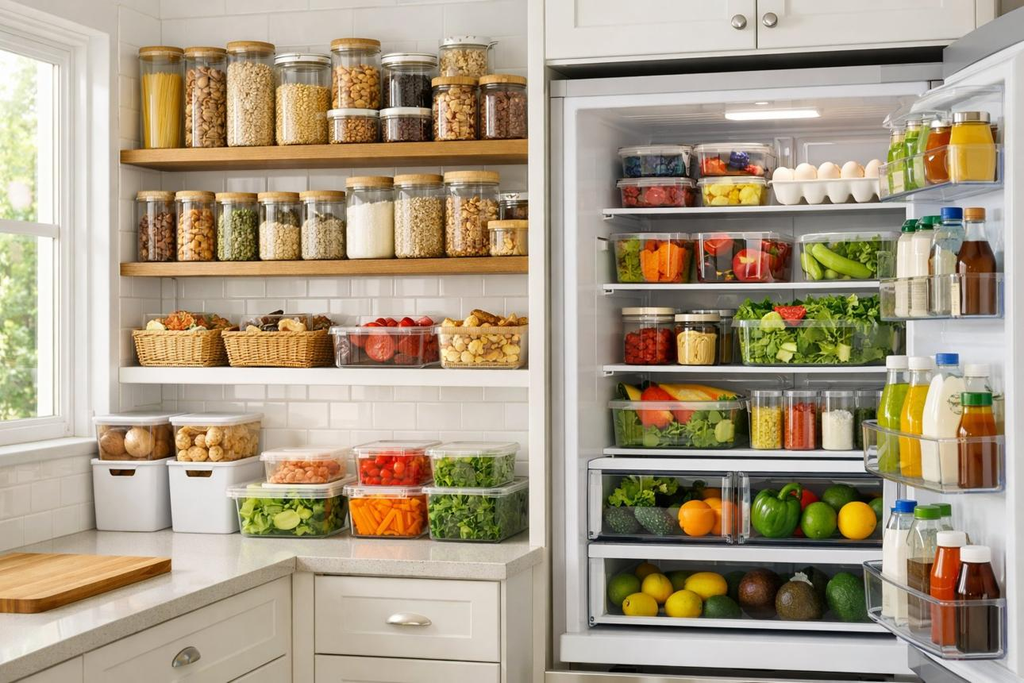
A well-stocked kitchen can make a busy week considerably easier.
Eggs
Eggs are quick to prepare and can work for breakfast, lunch or dinner.
Keep them available for scrambled eggs, omelettes, boiled eggs or quick egg sandwiches.
Frozen vegetables
Frozen vegetables can save preparation time and reduce food waste.
They can be added to rice dishes, pasta, soups, stir-fries and omelettes.
Canned beans and chickpeas
These are useful when you do not have time to cook dried legumes.
Rinse them before use and add them to salads, rice dishes, wraps, soups or stews.
Oats
Oats can become a quick breakfast with fruit, yoghurt, milk and seeds.
Greek yoghurt
Greek yoghurt can work as breakfast, a snack or part of a quick meal.
Whole grain bread
Whole grain bread can make a quick sandwich when you do not have time to cook.
Add a protein source and some vegetables to make it more balanced.
Fruit
Keeping fruit visible and ready to eat makes it easier to choose when you need a quick snack.
Nuts and seeds
A small portion can be a convenient addition to yoghurt, oats, salads or snacks.
Cooked grains
Having cooked rice, quinoa or another grain ready in the refrigerator can make assembling a meal much faster.
Easy Meal Combinations
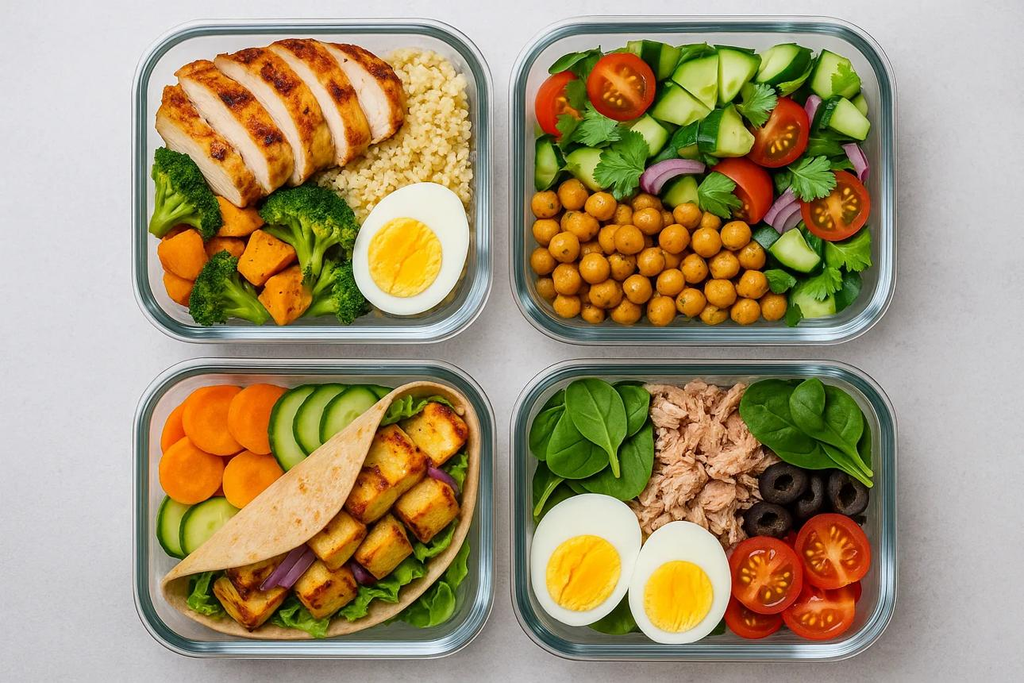
You do not need hundreds of recipes.
A handful of reliable combinations can cover most busy days.
Breakfast
Greek yoghurt, oats, berries and seeds.
Eggs with whole grain toast and avocado.
Oats with banana, nuts and yoghurt.
Whole grain toast with eggs and fruit.
Lunch
Chicken, rice and vegetables.
Bean and avocado wrap with vegetables.
Lentil soup with whole grain bread.
Tuna and vegetable whole grain sandwich.
Dinner
Fish, potatoes and vegetables.
Chicken stir-fry with rice and mixed vegetables.
Beans with rice and vegetables.
Lentil curry with vegetables and brown rice.
Tofu stir-fry with vegetables and noodles.
Quick snacks
Fruit and nuts.
Greek yoghurt and berries.
Boiled eggs.
Hummus with vegetables.
Apple with nut butter.
The purpose of these combinations is not to create a rigid meal plan.
They give you a starting point when you do not have the time or energy to decide what to eat.
Meal Preparation Without Spending Your Entire Weekend Cooking
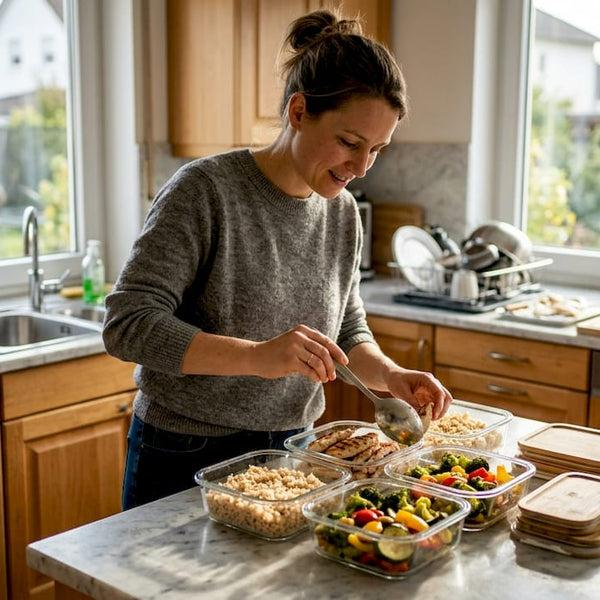
Meal preparation does not have to mean spending an entire Sunday cooking ten different meals.
For many people, a little preparation is enough.
Instead of preparing complete meals, prepare ingredients.
Cook a batch of rice or another grain.
Wash and cut vegetables.
Cook several portions of chicken or another protein.
Boil some eggs.
Prepare a pot of beans or lentils.
Wash fruit and keep it ready to eat.
Make a simple dressing or sauce.
Once these ingredients are ready, you can combine them differently throughout the week.
For example, cooked chicken can become a rice bowl on Monday, a salad on Tuesday and a wrap on Wednesday.
The same ingredients can feel different when you change the combination.
Try the 30-minute preparation approach
If you have only a short amount of time, choose two or three tasks.
For example:
Cook one protein.
Prepare one carbohydrate.
Wash or cut several vegetables.
That may be enough to make the next few days easier.
The goal is not to prepare your entire week.
The goal is to remove some of the decisions from your busiest days.
What to Do When You Have to Eat Away From Home
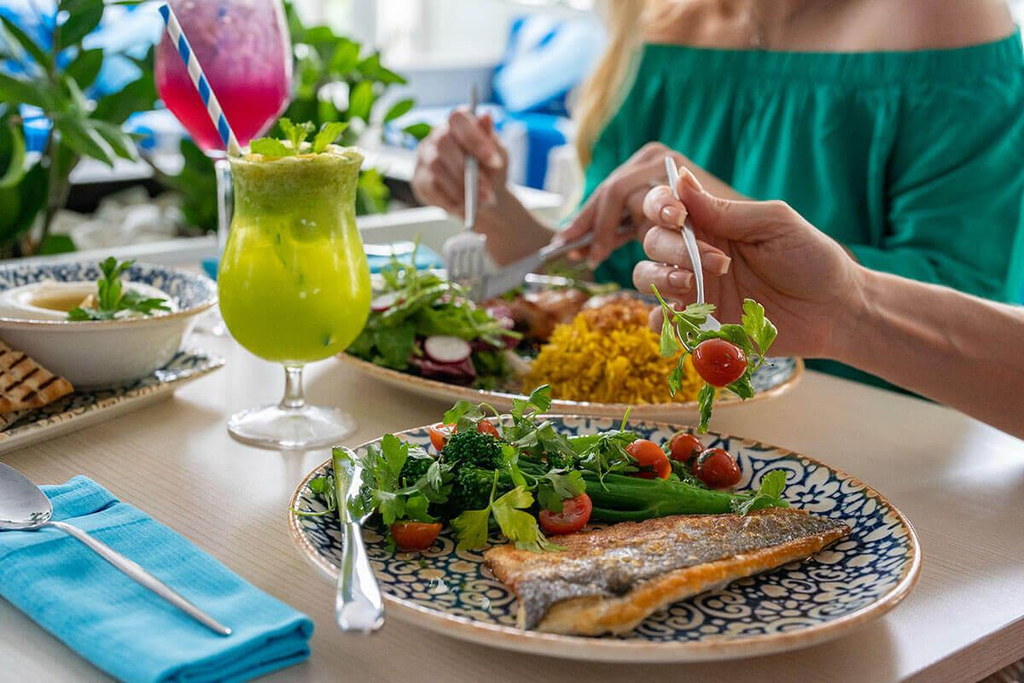
Eating away from home does not mean you have failed at healthy eating.
Sometimes it is simply part of life.
You may be travelling, working late, meeting friends or attending an event.
Instead of looking for the perfect meal, look for a reasonably balanced option.
When ordering food, consider:
A source of protein.
Vegetables or salad where available.
A suitable carbohydrate source.
Water or another drink that fits your preferences.
You can also consider how the food is prepared.
Grilled, baked, steamed or roasted options may be useful choices when available.
But you do not need to avoid every fried food, dessert or favourite meal.
Healthy eating is about the overall pattern of your diet, not one restaurant meal.
Use the same meal formula
Even when eating out, ask:
Where is the protein?
Where are the vegetables or fruit?
What is my carbohydrate source?
Does this meal feel satisfying and appropriate for me?
That can be enough to guide your choice without turning eating out into a stressful experience.
How to Avoid the All-or-Nothing Approach

One of the biggest barriers to healthy eating is the belief that you have to do everything perfectly.
You eat a takeaway meal and decide that the day is ruined.
You miss your meal preparation on Sunday and decide you cannot stay consistent.
You eat dessert and feel that you have failed.
This all-or-nothing thinking can make healthy eating much harder to maintain.
One meal does not determine your overall diet.
One busy day does not erase your previous efforts.
One takeaway meal does not mean you need to start again tomorrow.
Instead, focus on your next opportunity to make a useful choice.
If breakfast was rushed, make lunch more balanced.
If lunch was takeaway, return to your normal routine at dinner.
If you missed your workout, move when you have another opportunity.
The goal is not perfection.
The goal is to make healthy choices more often and create routines that you can maintain.
A Simple Healthy Eating System for Busy Weeks
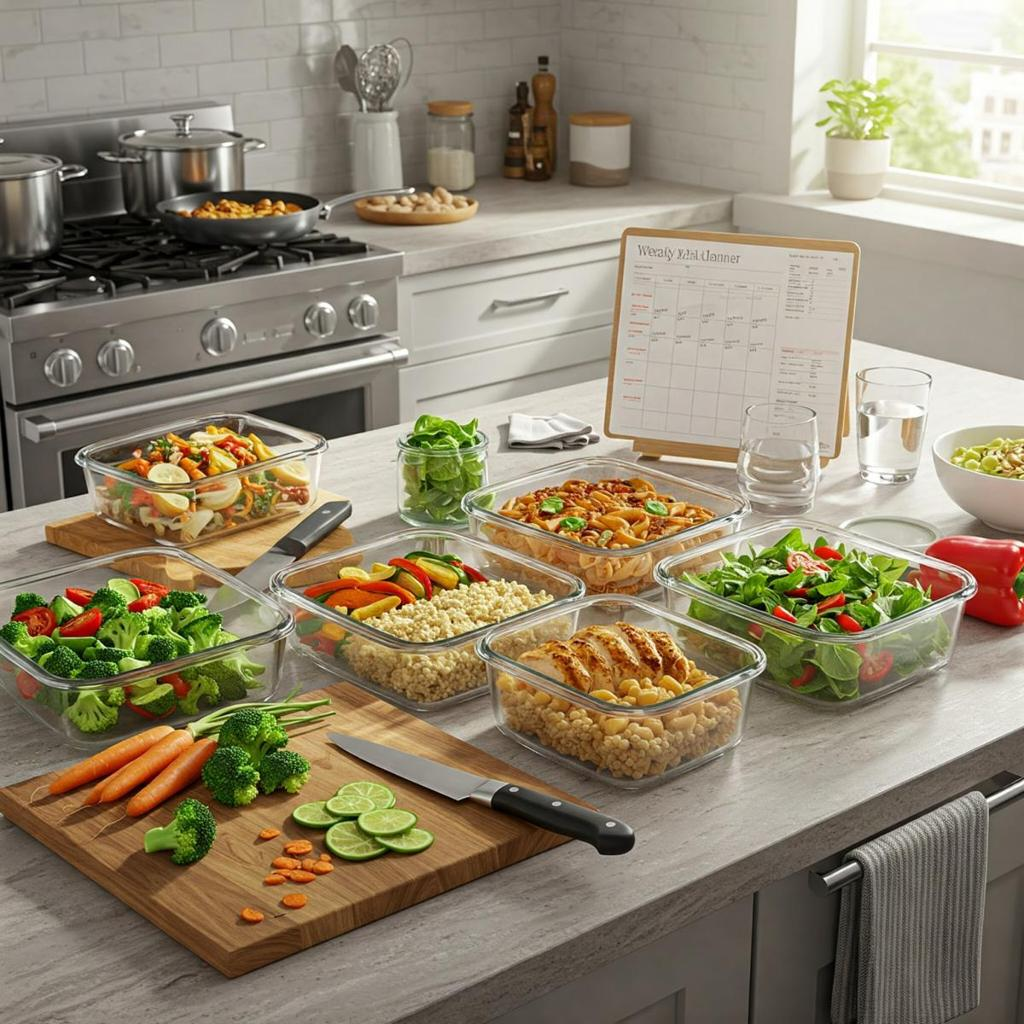
If your schedule changes frequently, keep your system simple.
Step 1: Choose a few reliable meals
Pick three breakfasts, three lunches and three dinners that you enjoy and can prepare easily.
Step 2: Shop for those meals
Build your shopping list around the ingredients you actually need.
Step 3: Prepare a few ingredients
Cook one or two proteins, a grain and some vegetables.
Step 4: Keep convenient foods available
Frozen vegetables, canned beans, eggs, yoghurt, fruit and whole grain bread can help when time is limited.
Step 5: Leave room for flexibility
Your plan should make your week easier, not create another source of pressure.
If your schedule changes, adjust your meals.
Healthy Eating Does Not Have to Be Complicated
A busy schedule does not mean you have to choose between convenience and healthy eating every day.
The most useful approach is often to make healthy choices easier before you need them.
Keep useful foods at home.
Prepare a few ingredients ahead of time.
Have several simple meals you can rely on.
Choose balanced options when eating away from home.
And give yourself room to be flexible.
You do not need to cook everything from scratch.
You do not need to follow a perfect meal plan.
You do not need to prepare seven completely different dinners every week.
Healthy eating can be simple.
It can look like eggs and toast on a busy morning, a bean and vegetable lunch, a quick chicken and rice dinner, or yoghurt and fruit when you need something between meals.
The goal is to create a way of eating that supports your life rather than making your life revolve around food.
Frequently Asked Questions
What are healthy meals for busy people?
Healthy meals for busy people can be simple combinations such as eggs with whole grain toast and fruit, chicken with rice and vegetables, bean and vegetable wraps, Greek yoghurt with oats and berries, or fish with potatoes and vegetables.
How can I eat healthy when I have no time to cook?
Keep quick ingredients available, such as eggs, frozen vegetables, canned beans, Greek yoghurt, oats, fruit, whole grain bread and pre-cooked grains. Preparing a few ingredients ahead of time can also make meals much faster.
Is meal preparation necessary for healthy eating?
No. Meal preparation can make healthy eating easier, but it is not essential. Some people prefer to cook fresh meals each day, while others find it easier to prepare ingredients or meals ahead of time.
How do I plan healthy meals for a busy week?
Choose a small number of breakfasts, lunches and dinners that you enjoy and can prepare easily. Build your shopping list around those meals, prepare a few ingredients in advance and leave some flexibility for unexpected changes.
What should I eat when I have to buy food at work?
Look for a meal that includes a protein source, vegetables or fruit and a suitable carbohydrate. You do not need to find a perfect option. Aim for a reasonably balanced meal that satisfies you.
Can I eat takeaway food and still eat healthily?
Yes. Takeaway food can be part of an overall healthy eating pattern. Consider the balance of the meal, portion size and how frequently you rely on takeaway meals.
What is the easiest healthy eating habit to start with?
Start by making one meal more consistent. For example, you could create a simple breakfast that you can prepare quickly every morning. Once that habit feels easy, build another one around lunch or dinner.
Start With What You Can Maintain
Healthy eating does not have to mean doing more.
Sometimes it means making the things you already do a little easier.
Keep better options within reach.
Prepare when you have time.
Have simple meals ready for busy days.
And when life gets messy, return to your routine without guilt.
The healthiest eating plan is not necessarily the most complicated one.
It is the one that fits your real life well enough for you to keep doing it.