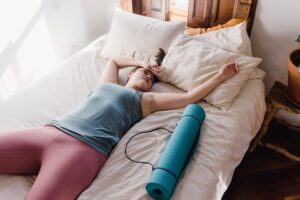
Walking can look almost too simple to count as exercise.
You do not need a gym membership, complicated equipment or an advanced fitness routine to walk. You can walk to work, walk around your neighbourhood, take the stairs, walk while talking on the phone or simply go outside for a short walk.
But can something this simple really make a difference to your health?
Yes. Regular physical activity, including walking, can support cardiovascular health, mental wellbeing, sleep, physical function and healthy ageing. Even smaller amounts of activity are better than none, and increasing your activity gradually can help you build a sustainable routine. CDC
The key is consistency.
Is walking actually exercise?
Yes.
Walking is a form of physical activity, and brisk walking can provide moderate-intensity aerobic activity.
The intensity matters. A slow walk around your home is still movement and can contribute to an active lifestyle. A faster walk that increases your breathing and heart rate provides a greater cardiovascular challenge.
You do not have to walk at one particular speed for walking to be worthwhile. Your starting point, fitness level and health circumstances all matter.
The World Health Organization recommends that adults aim for at least 150 minutes of moderate-intensity physical activity each week, or an equivalent combination of moderate and vigorous activity. It also recommends muscle-strengthening activities on at least two days each week. World Health Organization
Walking can help you work towards that weekly activity target.
What happens to your body when you walk?

Walking involves much more of your body than simply moving your legs.
Your heart works harder to circulate blood. Your muscles contract repeatedly to keep you moving. Your breathing rate increases as your activity becomes more demanding, and your body uses energy to fuel the movement.
Regular physical activity is associated with several health benefits, including better cardiovascular health, improved sleep, reduced feelings of anxiety and a lower risk of several chronic diseases. CDC
Walking can also help you maintain physical function.
That matters because everyday movement is part of staying independent. Being able to walk comfortably, climb stairs, carry groceries and move around your community contributes to your ability to manage daily life.
Walking and cardiovascular health
Your heart is a muscle, and regular physical activity gives your cardiovascular system opportunities to work.
Regular moderate physical activity can help lower the risk of cardiovascular disease, stroke and high blood pressure. Physical activity can also contribute to healthier blood pressure and cholesterol levels. CDC
Walking can be a practical way to increase your activity because it is relatively accessible and can be incorporated into ordinary routines.
For example, you might:
- Walk to nearby shops instead of driving.
- Take a 15-minute walk after lunch.
- Walk part of your commute.
- Take an evening walk around your neighbourhood.
- Use walking breaks during a long workday.
You do not need to complete your entire week’s activity in one session.
Walking and mental wellbeing
Physical activity is not only about physical fitness.
Movement can also affect how you feel.
The CDC notes that physical activity can provide immediate benefits such as reduced feelings of anxiety and improved sleep. Regular physical activity is also associated with a lower risk of depression. CDC

A walk can also create space between tasks.
Instead of moving directly from one screen, meeting or responsibility to the next, you can use a short walk to get outside, change your surroundings and give yourself a break.
Walking with someone can add another benefit too. A regular walking routine can become an opportunity for conversation and social connection.
It does not have to be a long walk to be useful.
Walking for healthy ageing
Walking can become particularly valuable as we get older.
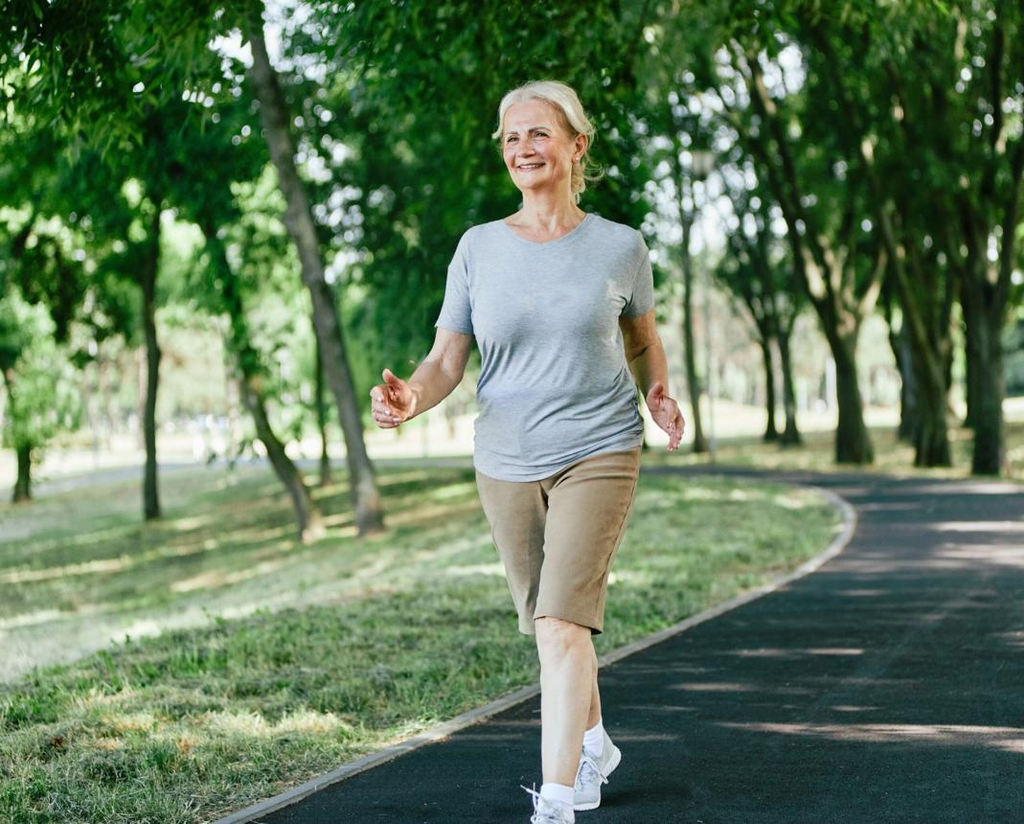
Maintaining physical activity can help support strength, mobility, balance, independence and overall quality of life. The National Institute on Aging recommends physical activity as an important part of healthy ageing and notes that older adults can benefit from different forms of exercise, including aerobic, muscle-strengthening and balance activities. National Institute on Aging
Walking is often a useful starting point because it can be adapted to different abilities and fitness levels.
For someone who has been inactive, starting with short, comfortable walks may be more realistic than immediately trying to follow an intensive exercise programme.
The National Institute on Aging also recommends increasing physical activity gradually and choosing activities appropriate for your current fitness level. National Institute on Aging
Walking alone does not replace strength or balance training, especially as we age. A well-rounded routine should include different types of movement.
How much walking should you aim for?
There is no single number of steps that every person needs to hit every day.
Instead of focusing only on a step count, think about your overall physical activity.
For adults, WHO recommends at least 150 minutes of moderate-intensity aerobic activity each week. For additional health benefits, the target can increase to 300 minutes of moderate activity per week. Adults should also include muscle-strengthening activities on at least two days each week. World Health Organization
That could look like:
30 minutes of brisk walking, 5 days a week
Or you could divide your activity into shorter periods that fit your schedule.
If you are currently doing very little physical activity, you do not have to start with 150 minutes immediately.
Start with what feels manageable.
For example:
Week 1: 10-minute walk, 4 days
Week 2: 15-minute walk, 4 days
Week 3: 20-minute walk, 5 days
Week 4: 25 to 30-minute walk, 5 days
The exact schedule is less important than finding a level you can maintain and gradually building from there.
Ways to walk more without making it another chore

You do not necessarily need to schedule a formal workout every time you want to move more.
Look for opportunities that already exist in your day.
Walk short journeys
If your destination is close enough, consider walking instead of driving.
Take walking breaks
If you spend much of your day sitting, use short breaks to stand up and walk around.
Walk while making phone calls
A phone conversation can become an opportunity to move instead of sitting.
Choose stairs when practical
Taking the stairs can add movement to your routine without requiring a separate workout.
Make walking social
Invite a friend, partner or family member to join you.
Explore your neighbourhood
Choose a different route occasionally. A change of scenery can make regular walking feel less repetitive.
Walk after meals
A short walk after a meal can be an easy way to add movement to your day. It does not need to become a long workout.
The goal is to make movement fit naturally into your life.
When walking may need to be modified
Walking is accessible for many people, but that does not mean everyone should approach it in exactly the same way.
If you have been inactive for a long time, start gradually. Your body may need time to adjust to increased activity. National Institute on Aging
You may also need to modify how you walk if you have an injury, mobility limitation, chronic health condition or other circumstance that affects your ability to exercise.
For people managing chronic health conditions, the right type and amount of physical activity can vary. Speaking with a qualified healthcare professional can help you determine what is appropriate for you. National Institute on Aging
Pay attention to how your body responds.
If you experience concerning symptoms such as chest pain, severe shortness of breath, fainting or sudden unexplained pain during physical activity, stop and seek appropriate medical attention.
The bottom line
Walking really can contribute to better health.
It supports an active lifestyle, can contribute to the recommended amount of weekly aerobic activity, and is associated with benefits for cardiovascular health, mental wellbeing, sleep, physical function and healthy ageing. CDC
You do not need to reach a perfect step count or turn every walk into a workout.
Start where you are.
Walk a little more when you can. Build gradually. Find routes you enjoy. Make walking part of your normal routine.
Sometimes the most sustainable form of exercise is simply the one you are willing to keep doing.
FAQs
Is walking good exercise?
Yes. Walking is physical activity, and brisk walking can count as moderate-intensity aerobic exercise. Regular physical activity can support cardiovascular health, mental wellbeing, sleep and healthy ageing. CDC
How much should I walk each day?
There is no universal daily step target that applies to everyone. For adults, a useful overall target is at least 150 minutes of moderate-intensity physical activity each week. This can include brisk walking. World Health Organization
Is 30 minutes of walking a day enough?
Thirty minutes of moderate-intensity walking on five days of the week would provide 150 minutes of activity, which meets the weekly aerobic activity target recommended for adults. Walking can also be combined with other forms of physical activity. World Health Organization
Can walking help your mental health?
Regular physical activity can help reduce feelings of anxiety and is associated with a lower risk of depression. Walking can also provide time outdoors and opportunities for social connection. CDC
Is walking enough for healthy ageing?
Walking is useful, but healthy ageing benefits from a combination of activities. Older adults should also include muscle-strengthening and balance activities as appropriate. National Institute on Aging
Should I walk every day?
You do not have to walk every day. What matters is your overall activity across the week. If walking every day fits comfortably into your routine, it can be a simple way to stay active.
Do I need to walk 10,000 steps a day?
No specific 10,000-step target is required by the WHO’s adult physical activity recommendations. Focus instead on increasing your overall physical activity and working towards the recommended weekly amount.
Start With One Walk
If you are currently not very active, do not worry about creating the perfect walking routine.
Put on comfortable shoes and take a 10-minute walk.
Tomorrow, you can do it again.
Over time, those small decisions can add up to significantly more movement across your week.
That is one of the things I like about walking. It does not need to be complicated to be meaningful.
Sources
The health information in this article is informed by current guidance from the World Health Organization, Centers for Disease Control and Prevention, and National Institute on Aging. World Health Organization
Health note: This article is for general educational purposes and does not replace individual medical advice, diagnosis or treatment. If you have a health condition, injury, mobility limitation or concerns about starting physical activity, speak with an appropriately qualified healthcare professional.