Carbohydrates, protein and fat are often discussed as if you have to choose between them.
One diet tells you to cut carbohydrates. Another encourages more protein. Someone else says you should avoid fat.
But your body does not work according to food trends.
Carbohydrates, protein and fat are the three main macronutrients your body needs in relatively large amounts. Each one has different roles, and all three can be part of a balanced diet.
The more useful question is not whether you should eat carbs, protein or fat.
It is how much you need, where those nutrients come from, and how they fit into your overall eating pattern.
What are macronutrients?
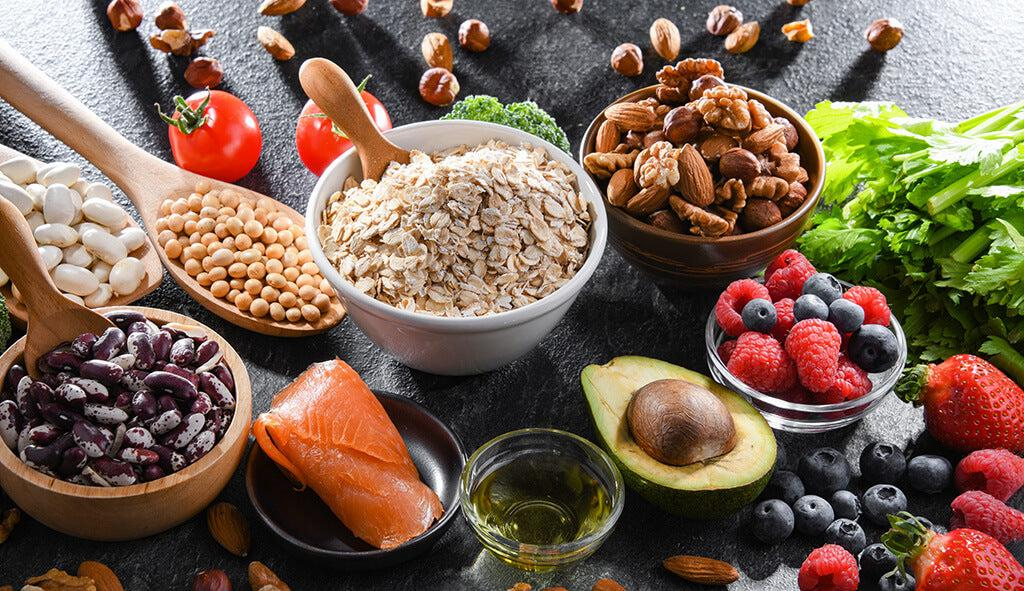
Macronutrients are nutrients that your body needs in relatively large amounts.
The three main macronutrients are carbohydrates, protein and fat.
Each provides energy, although they have different functions in the body.
Carbohydrates and protein provide around 4 calories per gram, while fat provides around 9 calories per gram.
But calories are only one part of the story.
Each macronutrient also performs specific roles that contribute to normal body function.
That is why a healthy diet is not simply about reducing calories or increasing one particular nutrient.
It is about getting the right combination of foods and nutrients for your individual needs.
What Do Carbohydrates Do?

Carbohydrates are an important source of energy.
Your body breaks down many carbohydrates into glucose, which can be used by cells for energy.
This is particularly important for your brain and for physical activity.
Carbohydrates are found in many different foods, including grains, fruits, vegetables, beans, lentils and dairy products.
The type of carbohydrate matters.
Whole or minimally processed carbohydrate sources often provide additional nutrients and fibre.
Examples include:
Oats
Brown rice
Whole grain bread
Whole grain pasta
Potatoes
Sweet potatoes
Beans
Lentils
Fruits
Vegetables
On the other hand, foods and drinks high in added sugars can provide carbohydrates without contributing much nutritional value.
This does not mean you need to avoid them completely.
It means that the majority of your carbohydrate intake can come from foods that provide fibre, vitamins, minerals and other useful nutrients.
Healthy carbohydrates are not the enemy
Carbohydrates have become one of the most misunderstood nutrients in modern nutrition conversations.
Eating carbohydrates does not automatically lead to weight gain.
Your overall energy intake, food choices, activity level and broader eating pattern all matter.
A bowl of oats, a sweet potato and a sugary drink all contain carbohydrates, but they are very different foods from a nutritional perspective.
Instead of asking whether carbohydrates are good or bad, ask what type of carbohydrate you are eating and what else comes with it.
What Does Protein Do?
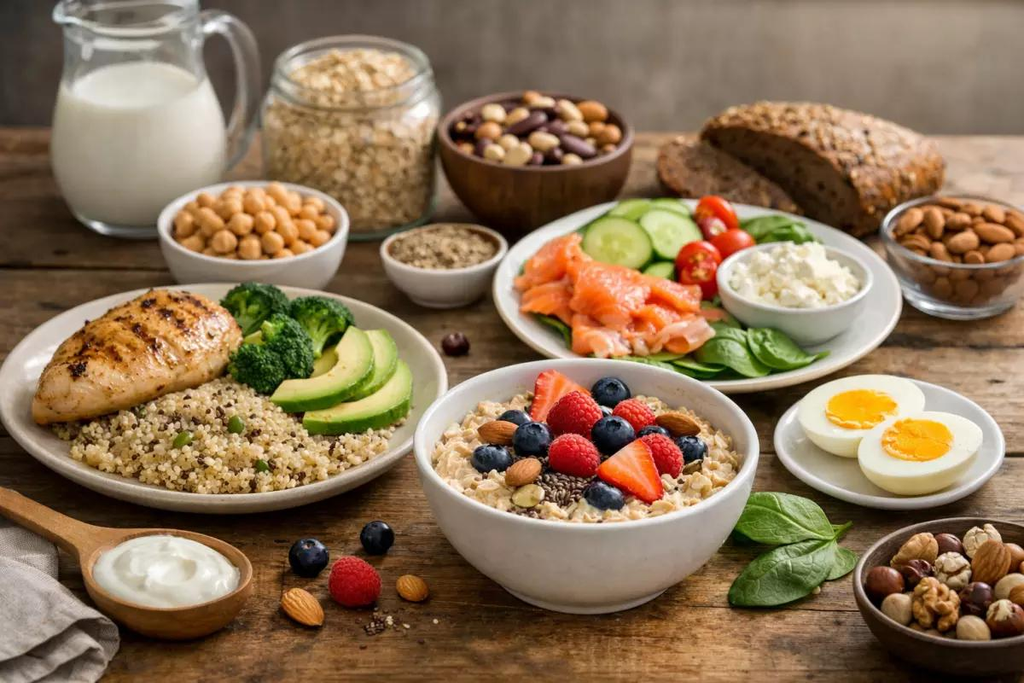
Protein is needed for the growth, maintenance and repair of tissues.
It is particularly important for maintaining muscle, but its role goes far beyond muscle.
Your body uses amino acids from protein to make and maintain many different substances involved in normal body function.
Protein is found in both animal and plant foods.
Examples include:
Eggs
Fish
Chicken
Lean meat
Greek yoghurt
Milk
Beans
Lentils
Chickpeas
Tofu
Tempeh
Nuts
Seeds
Protein can also help meals feel more satisfying.
For people who exercise regularly, adequate protein can support muscle repair and adaptation alongside appropriate training and recovery.
As we age, getting enough protein becomes increasingly relevant to maintaining muscle and physical function.
However, more protein is not automatically better.
Your individual protein needs depend on factors such as age, body size, activity level and health circumstances.
Why Does Your Body Need Fat?
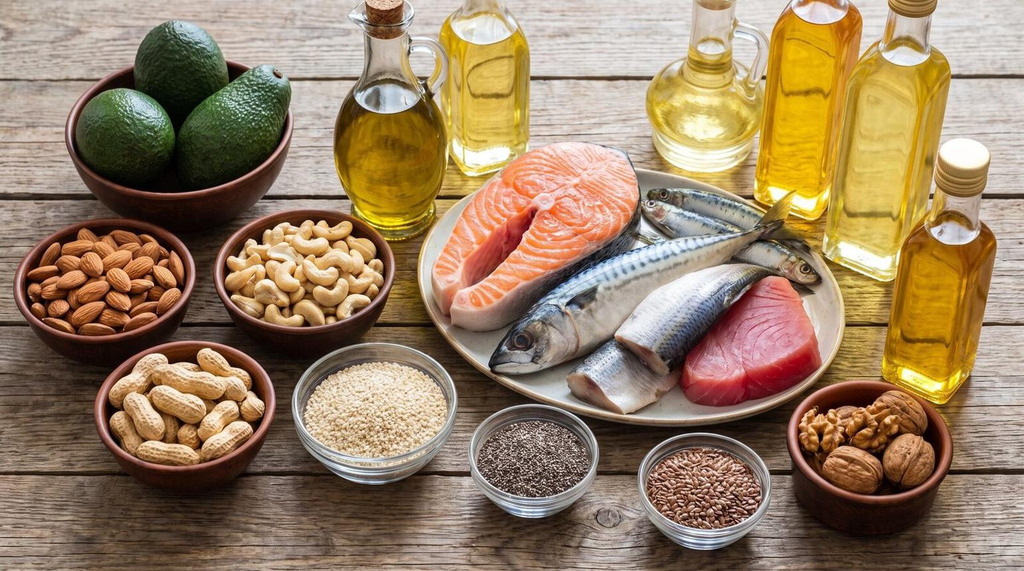
Fat often gets treated as something that should be avoided.
But your body needs fat.
Dietary fat provides energy and helps your body absorb certain fat-soluble vitamins.
Fat also contributes to cell structure and other important functions.
Healthy sources of dietary fat include:
Avocado
Olive oil
Nuts
Seeds
Nut butters
Fatty fish
Some dairy foods
As with carbohydrates, the source matters.
Unsaturated fats, particularly those found in foods such as nuts, seeds, fish and olive oil, can form part of a heart-healthy eating pattern.
Foods high in saturated fat can also be part of a diet, but it is generally recommended to limit excessive intake and choose unsaturated fat sources more often.
Trans fats should be avoided as much as possible.
Are Carbohydrates Bad for You?
No.
Carbohydrates are not inherently bad for you.
The problem is that the word “carbohydrate” covers a very wide range of foods.
A whole apple and a sugar-sweetened drink both contain carbohydrates, but they have very different nutritional profiles.
Whole grains, fruits, vegetables and legumes can provide carbohydrates alongside fibre, vitamins, minerals and other nutrients.
Highly processed foods containing large amounts of added sugars may provide a lot of energy without offering the same nutritional value.
This is why the quality of the food matters.
Instead of automatically removing carbohydrates from your diet, consider choosing more nutrient-rich carbohydrate sources.
Try oats at breakfast.
Choose brown rice or another whole grain with lunch.
Add beans or lentils to meals.
Include fruit as a snack.
Add potatoes or sweet potatoes to balanced meals.
The goal is not to fear carbohydrates.
It is to understand them.
Are All Fats the Same?

No.
Different types of dietary fat have different effects on health.
Unsaturated fats
Unsaturated fats are commonly found in foods such as:
Olive oil
Avocado
Nuts
Seeds
Fatty fish
These foods can be valuable parts of a balanced eating pattern.
Saturated fats
Saturated fats are found in foods including fatty meats, butter, some dairy products and many processed foods.
The amount of saturated fat you consume matters as part of your overall dietary pattern.
Replacing some saturated fats with unsaturated fats can be beneficial for cardiovascular health.
Trans fats
Industrial trans fats are particularly undesirable and should be avoided as much as possible.
They can be found in some partially hydrogenated fats and certain processed foods, although their use has been restricted in many countries.
When choosing fats, think about the food they come from rather than simply looking for foods labelled “low fat.”
A whole avocado and a highly processed low-fat snack are not nutritionally equivalent.
How Do You Balance Macronutrients?
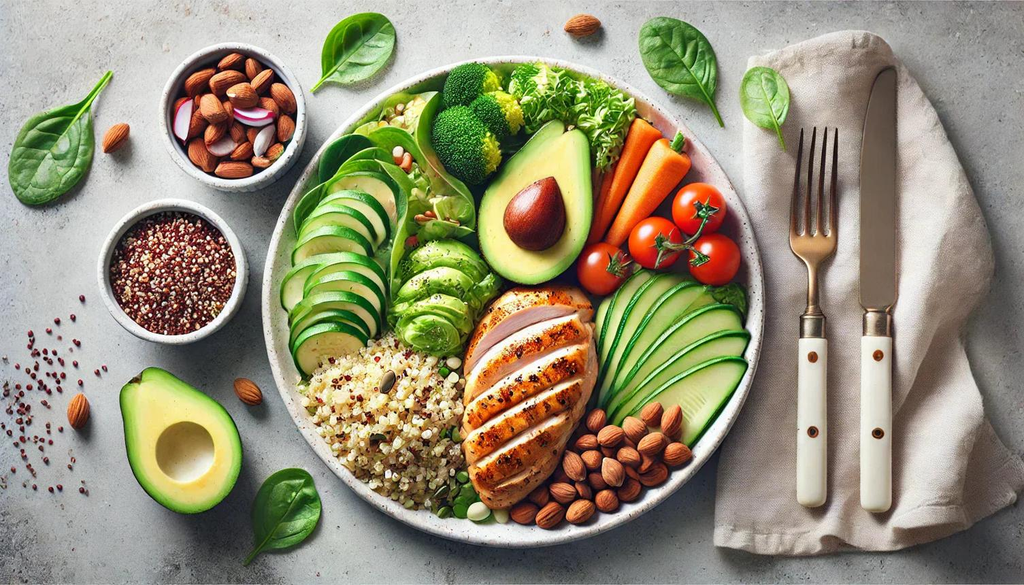
You do not need to calculate the exact percentage of carbohydrates, protein and fat in every meal.
For most people, a more practical approach is to build balanced meals.
Start with a source of protein.
Add vegetables or fruit.
Include a carbohydrate source that provides energy and, where possible, fibre.
Add a source of healthy fat when appropriate.
For example, you could have:
Grilled salmon with sweet potato, broccoli and avocado.
Chicken with brown rice, mixed vegetables and olive oil.
Beans with rice, vegetables and avocado.
Greek yoghurt with oats, berries and seeds.
Tofu with vegetables, noodles and sesame seeds.
The exact portions will depend on your individual needs.
Someone who is highly active may need more energy than someone who is less active. Someone trying to manage a particular health condition may have different nutritional requirements.
There is no single plate that works perfectly for everyone.
A Simple Way to Think About Carbs, Protein and Fat
When deciding what to put on your plate, think about what each macronutrient contributes.
Carbohydrates
Think energy.
Foods such as whole grains, potatoes, fruits, beans and vegetables can provide carbohydrates alongside other nutrients.
Protein
Think maintenance and repair.
Foods such as eggs, fish, chicken, beans, lentils, yoghurt and tofu can contribute protein.
Fat
Think energy, absorption and essential functions.
Foods such as avocado, nuts, seeds, olive oil and fatty fish provide dietary fat.
This simple framework can make meal planning easier without requiring you to count every gram.
Why Your Overall Eating Pattern Matters More Than One Nutrient

One of the biggest problems with nutrition advice is that it often focuses on one nutrient at a time.
Carbohydrates are blamed for weight gain.
Fat is blamed for heart problems.
Protein becomes the answer to everything.
But your health is not determined by one nutrient in isolation.
Your overall dietary pattern matters.
A diet based mainly on highly processed foods will look very different from a diet that regularly includes vegetables, fruits, whole grains, legumes, protein-rich foods, nuts, seeds and healthy fats.
This is why context matters.
A food does not need to be labelled “good” or “bad” for you to make an informed choice.
Instead, consider:
What foods do I eat most often?
Am I getting enough vegetables and fruit?
Do I eat a variety of protein sources?
Are most of my carbohydrates coming from nutrient-rich foods?
Am I including healthy sources of fat?
Am I getting enough fibre?
How do my eating habits fit with my lifestyle and activity level?
These questions are usually more useful than trying to eliminate an entire macronutrient.
Do You Need to Count Macronutrients?
Not necessarily.
Tracking carbohydrates, protein and fat can be useful for some people and certain goals, particularly when working with a qualified professional or following a specific nutrition plan.
But you do not need to track every gram to eat well.
For many people, focusing on food quality and balanced meals is a more sustainable approach.
A simple meal structure can be enough:
Protein + vegetables or fruit + carbohydrate + healthy fat.
From there, adjust your portions according to your hunger, activity level and individual needs.
What Does a Balanced Meal Look Like?
Here are a few practical examples.
Breakfast

Oats provide carbohydrates and fibre.
Greek yoghurt provides protein.
Berries provide fruit and additional nutrients.
Chia seeds provide fat, fibre and other nutrients.
Lunch

Chicken provides protein.
Brown rice provides carbohydrates and fibre.
Broccoli adds vegetables and fibre.
Avocado provides unsaturated fat.
Dinner

Salmon provides protein and fat.
Sweet potato provides carbohydrates and fibre.
Broccoli provides vegetables and fibre.
A small amount of olive oil can contribute additional unsaturated fat.
The combinations can change depending on your preferences, culture, budget and dietary needs.
What About Low-Carb or High-Protein Diets?
Different dietary patterns can work for different people.
Some people prefer lower-carbohydrate eating patterns. Others feel better with more carbohydrates, particularly when they are physically active.
Some people intentionally increase protein intake because of their training goals.
The important question is whether the overall eating pattern provides the nutrients and energy your body needs.
A restrictive approach can become problematic if removing one macronutrient means you miss out on important foods.
Before making major dietary changes, especially for weight management or a health condition, consider discussing your needs with a qualified healthcare professional or registered dietitian.
The Bottom Line
Carbohydrates, protein and fat all have important roles in your body.
Carbohydrates can provide energy.
Protein supports the maintenance and repair of tissues.
Fat provides energy, helps your body absorb certain vitamins and contributes to important cellular functions.
You do not need to choose one macronutrient and eliminate another.
Instead, build your diet around a variety of nutrient-rich foods.
Include vegetables and fruit.
Choose high-fibre carbohydrate sources.
Eat enough protein for your individual needs.
Include healthy sources of fat.
And remember that your overall eating pattern matters much more than whether one meal contains slightly more carbohydrates or fat than another.
Healthy eating is not about finding one perfect ratio.
It is about creating a balanced way of eating that works for your body, your lifestyle and your long-term wellbeing.
Frequently Asked Questions
What are macronutrients?
Macronutrients are nutrients that your body needs in relatively large amounts. The three main macronutrients are carbohydrates, protein and fat.
What do carbohydrates do in the body?
Carbohydrates provide an important source of energy. They are found in foods such as grains, fruits, vegetables, beans, lentils and potatoes.
Why does the body need protein?
Protein provides amino acids that the body uses to build and maintain tissues and support many normal body functions. It is particularly important for maintaining muscle.
Why does the body need fat?
Dietary fat provides energy, supports cell structure and helps the body absorb certain fat-soluble vitamins. Unsaturated fats from foods such as nuts, seeds, avocado, olive oil and fish can form part of a healthy diet.
Are carbohydrates bad for you?
No. Carbohydrates are an important source of energy. The nutritional quality of the food providing the carbohydrate matters. Whole grains, fruits, vegetables and legumes can all be part of a healthy diet.
Are healthy fats good for you?
Unsaturated fats found in foods such as olive oil, avocado, nuts, seeds and fish can be part of a healthy eating pattern.
Do I need to count carbohydrates, protein and fat?
Not necessarily. Some people find tracking macronutrients useful, but many people can eat a balanced diet without calculating every gram.
What is the best balance of carbohydrates, protein and fat?
There is no single ratio that is ideal for everyone. Your nutritional needs depend on factors including age, body size, activity level, health status and individual circumstances.
Can I eat carbohydrates and still lose weight?
Yes. Weight change is influenced by overall energy intake, activity, food choices and other factors. Eating carbohydrates does not automatically prevent weight loss.
Should I eat more protein if I exercise?
People who exercise regularly, particularly those doing resistance training, may have higher protein requirements than less active people. Individual needs vary.
Start With Balance
You do not need to redesign your entire diet to improve the balance of your meals.
Look at your next plate.
Where is your protein?
Where are your vegetables or fruit?
What is your carbohydrate source?
Where are your healthy fats?
If those elements are reasonably represented across your meals, you are already thinking about nutrition in a more balanced way.
The goal is not to make food complicated.
It is to understand what your body needs and make choices that support your health over time.